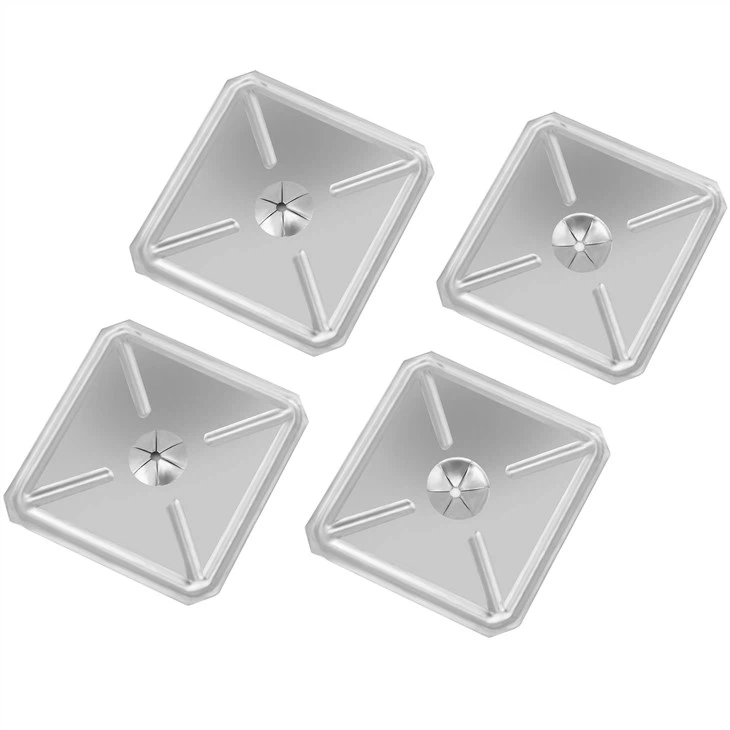
Working Principle of Insulation Self Locking Washers
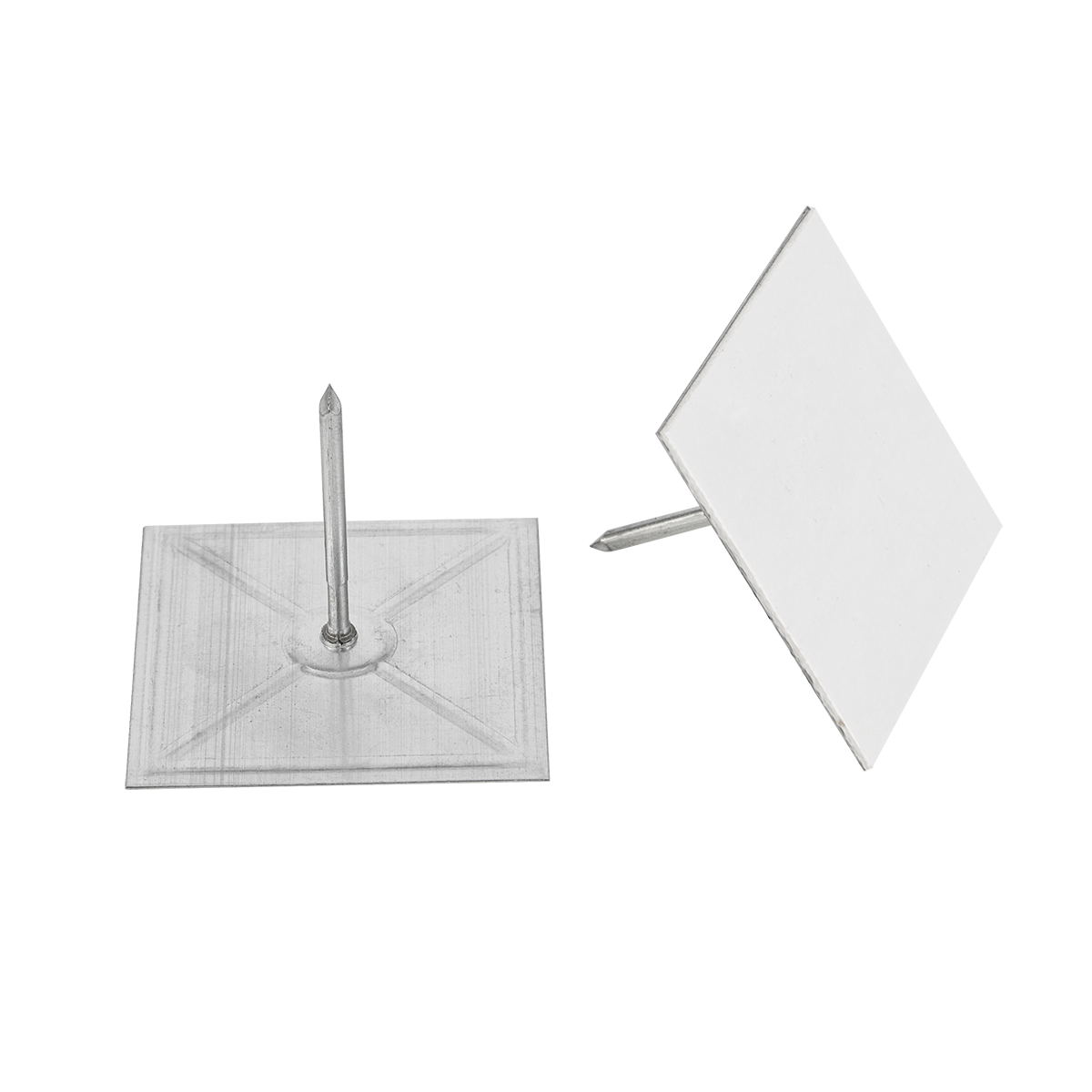
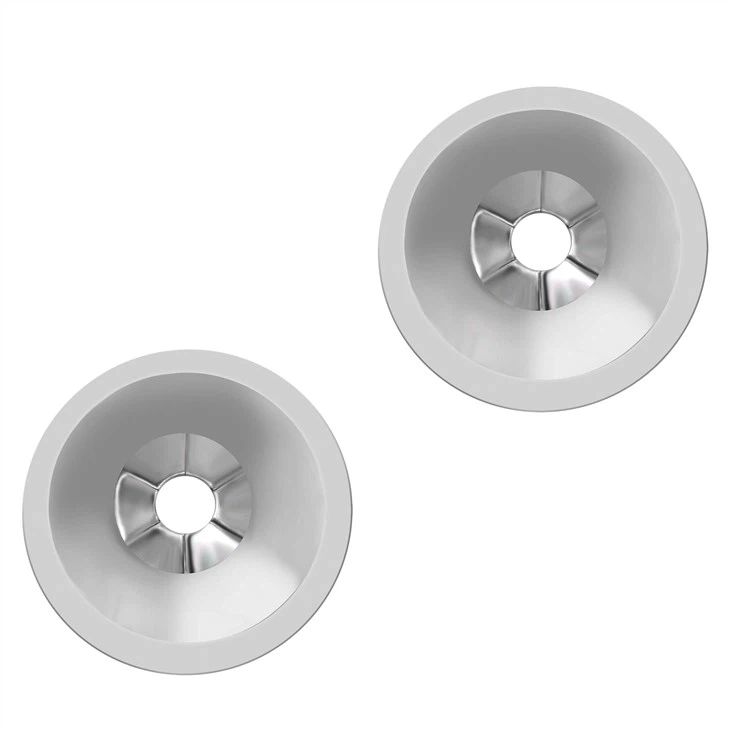
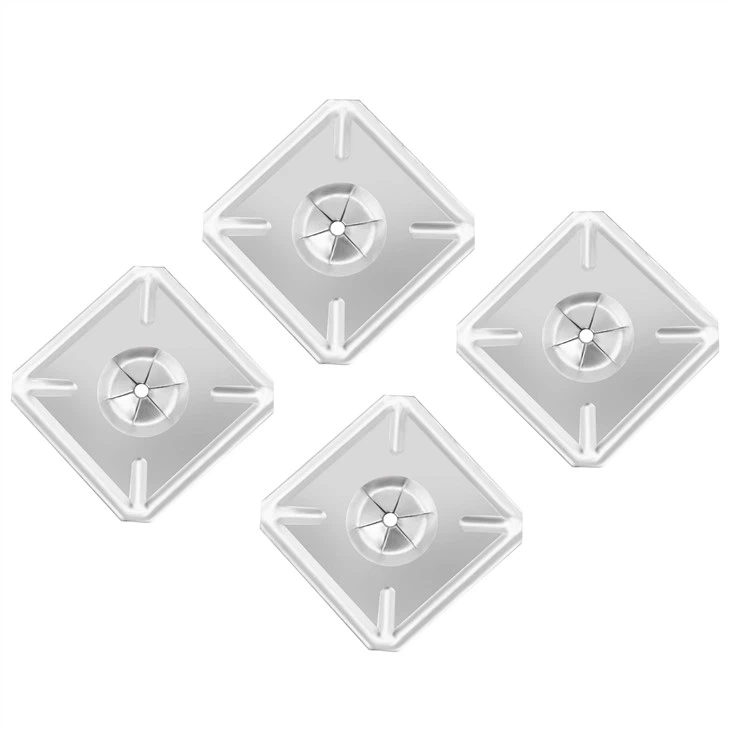
Insulation self locking washers are essential components in many mechanical and electrical systems. They are designed to perform two key functions simultaneously: providing electrical insulation and ensuring a secure, self locking connection. This dual functionality makes them particularly valuable in applications where electrical isolation is required, such as in electrical panels, electronic devices, and power distribution systems. Understanding the working principle of insulation self locking washers is crucial for engineers, technicians, and anyone involved in the design, installation, or maintenance of these systems. This article will provide an in depth exploration of how these washers operate, covering their structure, the mechanisms behind insulation and self locking, and the factors that affect their performance.
Contact
Product Detail
Insulation self locking washers are essential components in many mechanical and electrical systems. They are designed to perform two key functions simultaneously: providing electrical insulation and ensuring a secure, self locking connection. This dual functionality makes them particularly valuable in applications where electrical isolation is required, such as in electrical panels, electronic devices, and power distribution systems. Understanding the working principle of insulation self locking washers is crucial for engineers, technicians, and anyone involved in the design, installation, or maintenance of these systems. This article will provide an in depth exploration of how these washers operate, covering their structure, the mechanisms behind insulation and self locking, and the factors that affect their performance.
Structure of Insulation Self Locking Washers
Base Material and Insulating Layer
Insulation self locking washers typically consist of a base metal washer that forms the structural core of the component. The base metal is chosen for its mechanical strength and ability to withstand the forces applied during the fastening process. Common materials for the base washer include steel, stainless steel, and various alloys, depending on the application requirements. For example, in a high corrosion environment, stainless steel may be preferred due to its excellent resistance to rust and chemical attack.
On top of the base washer, an insulating layer is added. This layer is made of non conductive materials such as nylon, plastic, or rubber. The insulating layer serves as the primary means of electrical isolation, preventing the flow of electrical current between the fastened components. The thickness and type of the insulating material are carefully selected based on the voltage levels and electrical requirements of the application. Thicker insulating layers can withstand higher voltages, while different types of materials may offer varying degrees of dielectric strength and chemical resistance. For instance, nylon is often used for its good mechanical properties and relatively high dielectric strength, making it suitable for a wide range of electrical applications.
Self Locking Features
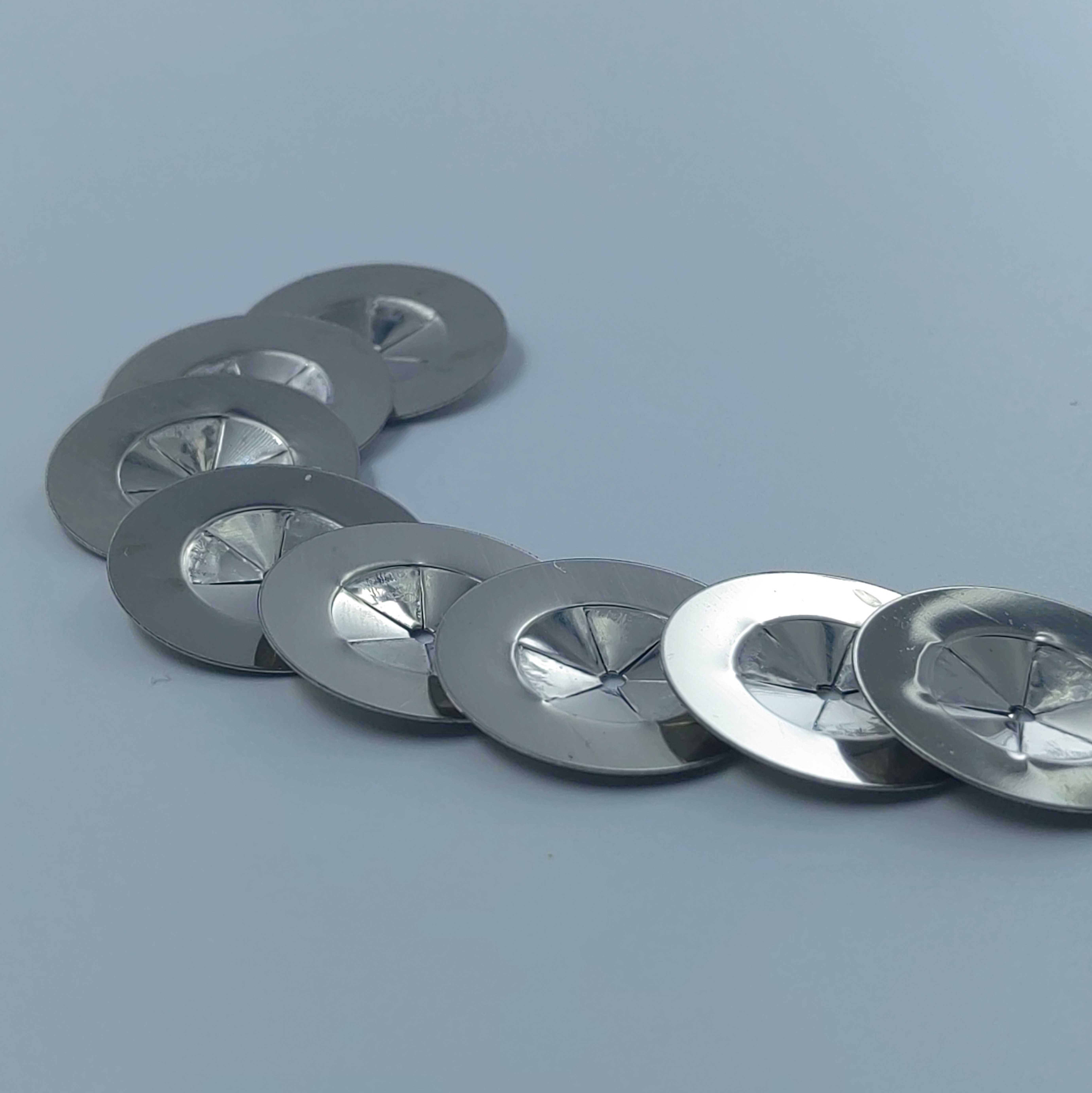
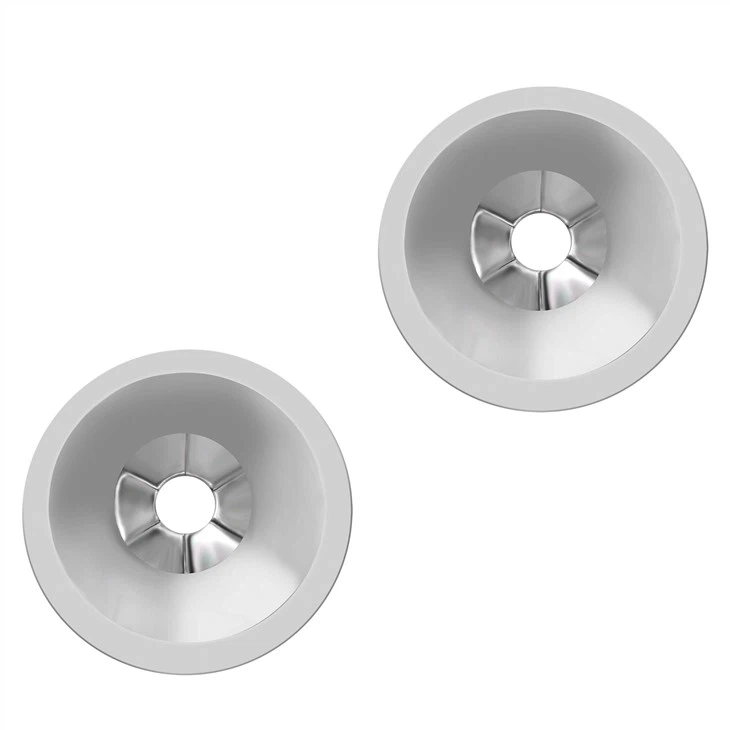
The self locking mechanism of these washers is achieved through specific design features. One common self locking feature is the presence of teeth or serrations on the surface of the washer. These teeth can be either on the inner diameter (ID), outer diameter (OD), or both. When the nut or bolt is tightened, the teeth bite into the surface of the mating parts, creating a frictional force that resists loosening due to vibrations, thermal expansion, or other mechanical forces. The shape and orientation of the teeth are crucial for the effectiveness of the self locking mechanism. For example, some washers have angled teeth that are designed to dig into the surface more effectively under the applied torque, providing a stronger locking action.
Another self locking design involves the use of a spring like element integrated into the washer. This can be in the form of a split ring or a wave shaped washer. The spring action of these elements exerts a continuous radial force on the nut or bolt, maintaining a tight grip even under dynamic loads. The spring loaded design compensates for any changes in the joint caused by temperature variations or mechanical vibrations, ensuring that the fastener remains tight over time.
Working Principle of Electrical Insulation
Dielectric Properties of the Insulating Layer
The electrical insulation provided by the washer is based on the dielectric properties of the insulating material. Dielectric materials are non conductors of electricity, meaning they do not allow the free flow of electrons. When an electric potential difference is applied across the insulation self locking washer, the insulating layer acts as a barrier to the flow of current. The ability of the insulating material to resist the flow of electric current is measured by its dielectric strength, which is defined as the maximum electric field that the material can withstand without breaking down and conducting electricity.
For example, if a nylon insulated self locking washer is used in an electrical circuit with a voltage of 220 volts, the nylon material, with its specific dielectric strength, will prevent the current from flowing through the washer. The dielectric strength of the insulating material is influenced by factors such as temperature, humidity, and the presence of contaminants. As the temperature increases, the dielectric strength of some materials may decrease, which could potentially compromise the electrical insulation performance. Therefore, it is important to select an insulating material that can maintain its dielectric properties within the expected operating conditions of the application.
Isolation of Conductive Components
The insulating layer of the self locking washer physically separates the conductive components, such as the bolt and the metal parts being fastened. This physical separation is crucial for preventing electrical short circuits and ensuring the proper functioning of the electrical system. In an electrical panel, for instance, where multiple electrical connections are made, the use of insulation self locking washers between the bolts and the metal enclosure helps to isolate the electrical components from the grounded enclosure. This not only protects the electrical components from accidental grounding but also prevents electrical interference between different parts of the system.
In addition, the insulation self locking washer can be used to isolate different electrical circuits within a device. By separating the conductive elements of two circuits, the washer helps to prevent cross talk and electrical interference, which could otherwise affect the performance of sensitive electronic components. This isolation function is particularly important in applications where high precision electrical measurements or signal transmissions are involved, such as in medical equipment, communication devices, and aerospace electronics.
Working Principle of Self Locking
Frictional Resistance Provided by Teeth or Serrations
When a nut or bolt is tightened onto a fastener using an insulation self locking washer with teeth or serrations, the teeth penetrate the surface of the mating parts. This penetration creates a high friction interface between the washer and the parts being fastened. The frictional force generated at this interface resists the loosening of the nut or bolt due to external vibrations or mechanical forces. The magnitude of the frictional force depends on several factors, including the depth of penetration of the teeth, the surface roughness of the mating parts, and the applied torque.
For example, if a self locking washer with sharp teeth is used to fasten two metal plates together, and a torque of 50 Nm is applied to the bolt, the teeth will dig into the surface of the plates. The resulting frictional force can be calculated using the principles of friction, taking into account the coefficient of friction between the tooth material and the plate material. The deeper the teeth penetrate, the greater the frictional force, and the more effectively the washer will prevent the fastener from loosening. However, care must be taken not to over tighten the fastener, as this could cause damage to the mating parts or the washer itself.
Spring Loaded Mechanisms for Continuous Tension
In washers with spring loaded elements, such as split ring or wave shaped washers, the spring action provides a continuous radial force on the nut or bolt. When the nut or bolt is tightened, the spring is compressed, storing potential energy. This stored energy is then released in the form of a continuous force that presses the washer against the nut or bolt and the mating parts. The spring loaded mechanism compensates for any changes in the joint, such as those caused by thermal expansion or contraction.
For instance, in an automotive engine, where the temperature can vary significantly during operation, the use of a spring loaded insulation self locking washer on the bolts that hold the engine components together ensures that the fasteners remain tight. As the engine heats up and the metal components expand, the spring loaded washer adjusts to maintain the proper tension in the joint. When the engine cools down and the components contract, the spring loaded washer still provides the necessary force to keep the fasteners secure. This ability to adapt to changing conditions makes spring loaded self locking washers highly reliable in applications where dynamic loads and temperature variations are common.
Factors Affecting the Performance of Insulation Self Locking Washers
Material Selection
The choice of materials for both the base washer and the insulating layer has a significant impact on the performance of the insulation self locking washer. As mentioned earlier, the base metal should have sufficient mechanical strength to withstand the fastening forces. If the base metal is too weak, it may deform or break during the tightening process, compromising the integrity of the joint. On the other hand, the insulating material should have excellent dielectric properties and be able to resist environmental factors such as moisture, chemicals, and temperature variations.
For example, in a marine application, where the washer will be exposed to saltwater and high humidity, a stainless steel base washer combined with a waterproof and corrosion resistant insulating material like fluoropolymer may be chosen. The stainless steel base provides the necessary mechanical strength and corrosion resistance, while the fluoropolymer insulating layer offers excellent electrical insulation and resistance to the harsh marine environment. The wrong choice of materials can lead to premature failure of the washer, either due to mechanical breakdown or loss of electrical insulation properties.
Installation Torque
The installation torque applied to the nut or bolt is another critical factor. Applying too little torque may result in a loose joint, where the self locking mechanism is ineffective, and the electrical insulation may be compromised due to poor contact between the components. Conversely, applying too much torque can cause damage to the washer, the fastener, or the mating parts. In the case of washers with teeth or serrations, excessive torque can cause the teeth to over penetrate and damage the surface of the mating parts of the mating parts, reducing the frictional resistance and potentially leading to loosening over time.
For spring loaded washers, over torque can cause the spring to be over compressed, losing its ability to provide the necessary continuous tension. Therefore, it is essential to follow the manufacturer's recommended torque values when installing insulation self locking washers. These values are typically determined through extensive testing and are based on the material properties, dimensions, and design of the washer.
Environmental Conditions
Environmental conditions such as temperature, humidity, and chemical exposure can also affect the performance of insulation self locking washers. High temperatures can cause the insulating material to degrade, reducing its dielectric strength and potentially leading to electrical breakdown. In addition, extreme temperature variations can cause thermal expansion and contraction of the components, which may affect the self locking mechanism. For example, if a washer is installed in an industrial furnace where the temperature can reach several hundred degrees Celsius, the insulating material must be able to withstand these high temperatures without losing its properties.
Humidity can also be a problem, especially for washers used in electrical applications. Moisture can penetrate the insulating layer, reducing its electrical resistance and increasing the risk of electrical leakage. Chemical exposure, such as in industrial plants where chemicals are present in the air or in contact with the components, can corrode the base metal or degrade the insulating material. Therefore, in harsh environmental conditions, it is necessary to select washers that are specifically designed to withstand these conditions or to take appropriate protective measures, such as coating the washers with a protective layer.
Insulation self locking washers are complex components that combine the functions of electrical insulation and self locking to provide reliable performance in a wide range of applications. Their working principle is based on the unique interaction between the insulating layer and the self locking features, which are carefully designed to meet the specific requirements of each application. By understanding the structure, electrical insulation mechanism, self locking mechanism, and the factors that affect their performance, engineers and technicians can make informed decisions when selecting, installing, and maintaining these washers. Proper selection and installation of insulation self locking washers are essential for ensuring the safety, reliability, and efficient operation of mechanical and electrical systems.