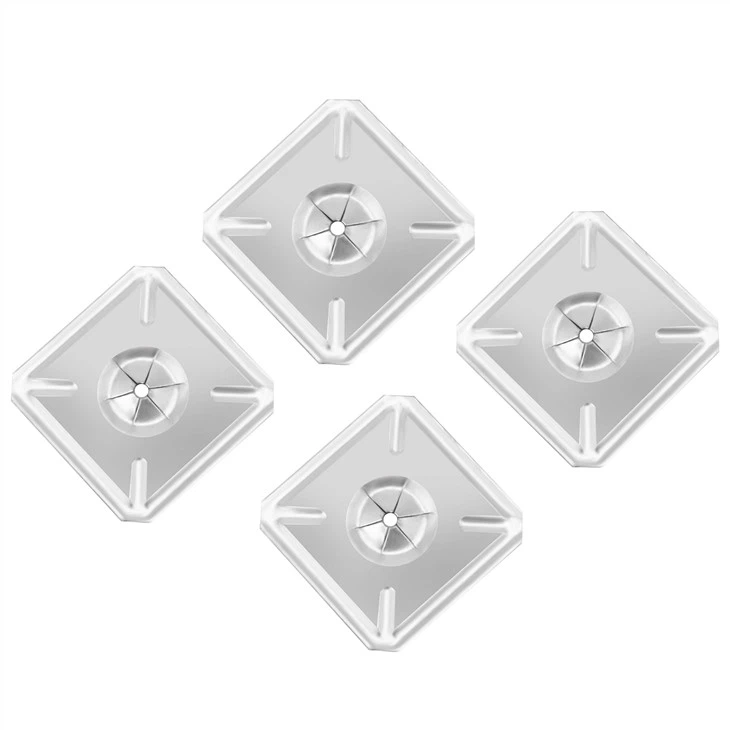
Selection Criteria for Insulation Self Locking Washers
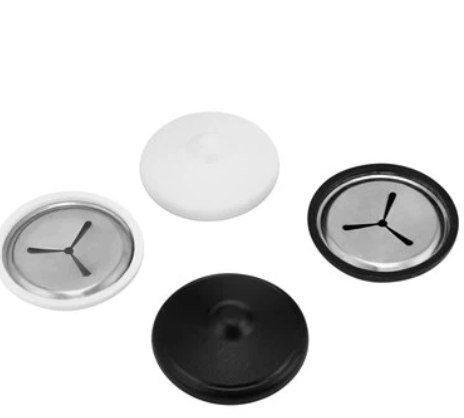
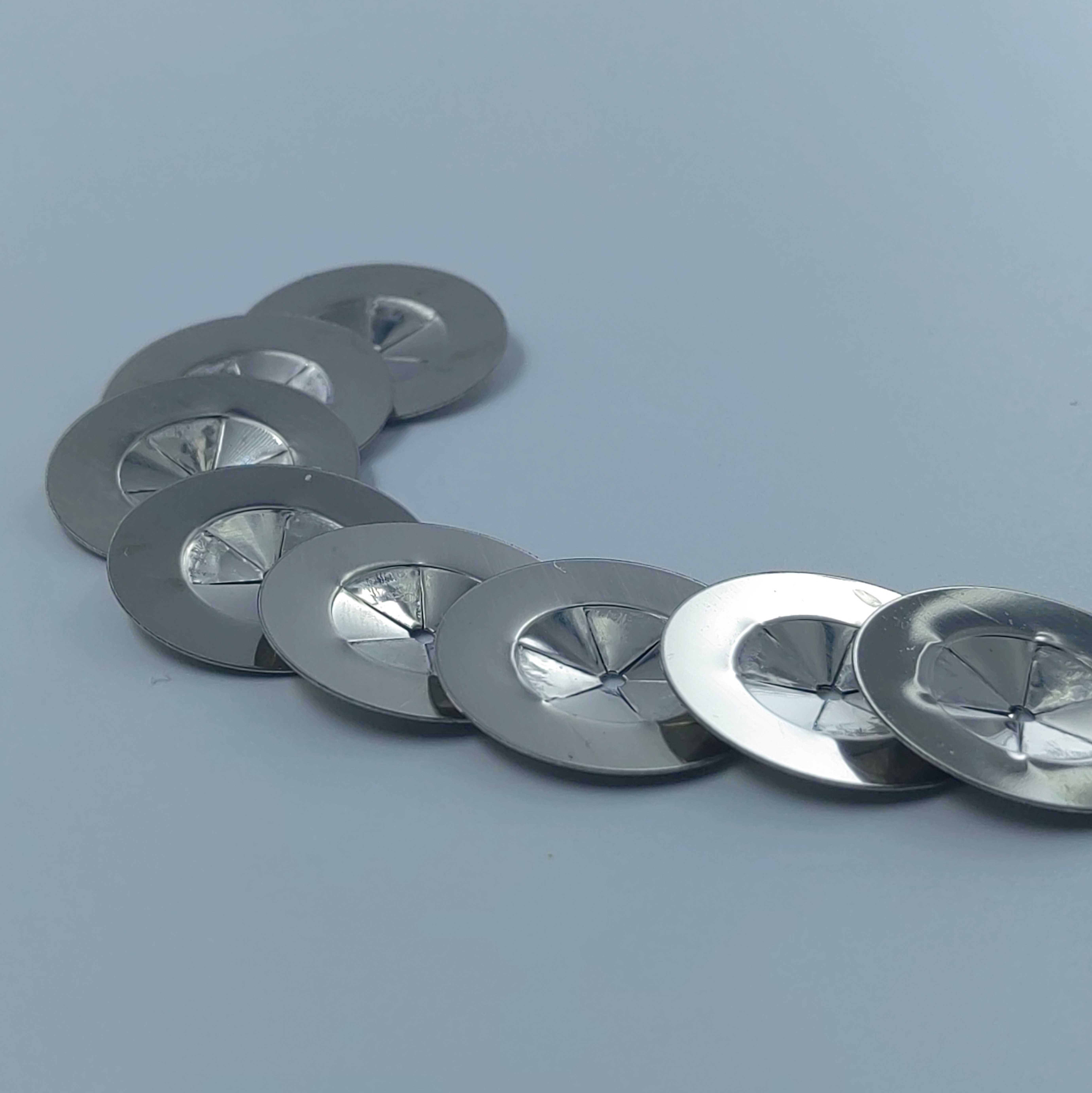
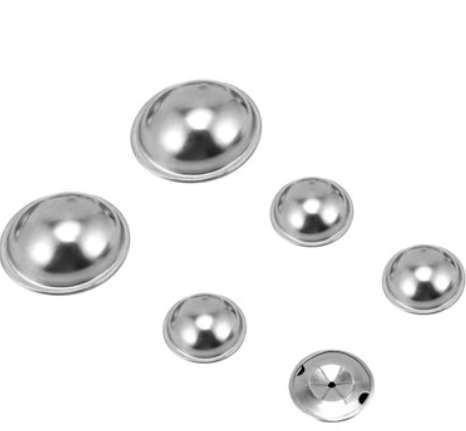
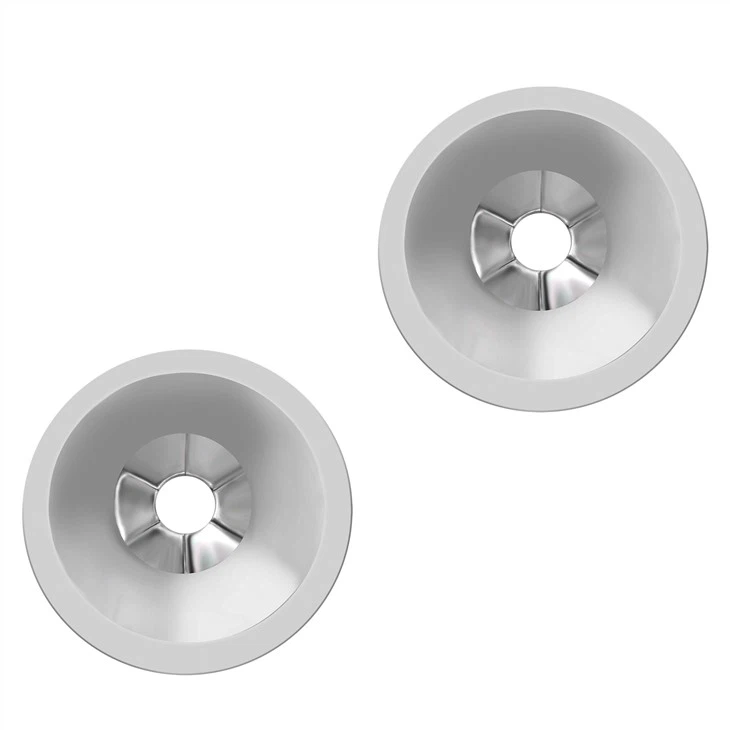
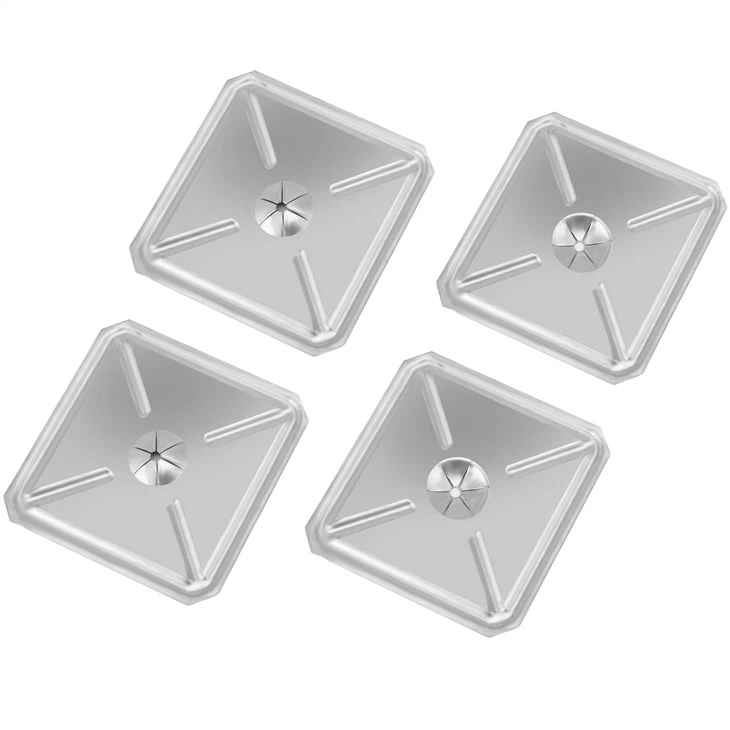
Insulation self locking washers are essential components in many mechanical and electrical systems. They combine the functions of electrical insulation and self locking, which helps in maintaining the integrity of electrical connections and preventing loosening of fasteners due to vibrations or mechanical stress. The proper selection of these washers is crucial as it directly impacts the performance, safety, and reliability of the overall system. This article will delve into the various selection criteria that need to be considered when choosing insulation self locking washers.
Contact
Product Detail
1. Introduction
Insulation self locking washers are essential components in many mechanical and electrical systems. They combine the functions of electrical insulation and self locking, which helps in maintaining the integrity of electrical connections and preventing loosening of fasteners due to vibrations or mechanical stress. The proper selection of these washers is crucial as it directly impacts the performance, safety, and reliability of the overall system. This article will delve into the various selection criteria that need to be considered when choosing insulation self locking washers.
2. Material Considerations
2.1 Insulating Materials
The primary function of insulation self locking washers is to provide electrical insulation. Therefore, the choice of insulating material is of utmost importance. Common insulating materials used for these washers include plastics such as nylon, polypropylene, and polyethylene. Nylon, for example, offers good mechanical strength along with excellent electrical insulation properties. It can withstand a wide range of temperatures and is resistant to many chemicals, making it suitable for applications in various environments.
Polypropylene is another popular choice due to its low cost and relatively good insulation performance. It has a high melting point and is lightweight, which can be advantageous in applications where weight is a concern, such as in aerospace or automotive industries. Polyethylene, especially high density polyethylene (HDPE), provides good electrical insulation and is highly resistant to moisture. This makes it an ideal choice for outdoor applications or in environments where there is a risk of water exposure.
Ceramics are also used as insulating materials in some high performance applications. Ceramic insulation self locking washers can withstand extremely high temperatures and offer superior electrical insulation compared to plastics. However, they are generally more brittle and more expensive, which limits their use to specific high temperature and high voltage applications.
2.2 Metal Components (for Self Locking Mechanism)
In addition to the insulating part, insulation self locking washers often have metal components that contribute to the self locking function. The metal used should have sufficient strength to withstand the clamping forces and vibrations without deforming or breaking. Common metals used include stainless steel, carbon steel, and spring steel.
Stainless steel is highly corrosion resistant, making it suitable for applications in harsh environments where exposure to moisture, chemicals, or saltwater is possible. It also has good mechanical properties, such as high tensile strength, which allows it to maintain the self locking force over a long period. Carbon steel, on the other hand, is more cost effective but may be more prone to corrosion. To mitigate this, carbon steel washers can be coated with zinc or other corrosion resistant materials.
Spring steel is specifically designed to provide the necessary spring force for the self locking mechanism. It has excellent elasticity and can deform under load and then return to its original shape, ensuring a continuous and reliable self locking action. The choice of metal for the self locking component depends on factors such as the required clamping force, the environmental conditions, and the cost effectiveness of the overall solution.
3. Electrical Performance Requirements
3.1 Dielectric Strength
The dielectric strength of an insulation self locking washer is a measure of its ability to withstand an electric field without breaking down. In applications where high voltages are involved, such as in power transmission and distribution systems or high voltage electrical equipment, a washer with a high dielectric strength is essential. For example, in a 110 kV power transformer, the insulation self locking washers used in the electrical connections must be able to withstand the high voltage stress without allowing electrical current to leak through.
The dielectric strength of different insulating materials varies. Plastics typically have a dielectric strength in the range of 10 30 kV/mm, while ceramics can have much higher dielectric strengths, sometimes exceeding 100 kV/mm. When selecting a washer, the dielectric strength should be carefully matched to the maximum voltage that the component will be exposed to in the actual operating conditions.
3.2 Insulation Resistance
Insulation resistance is another critical electrical parameter. It measures the opposition of the insulating material to the flow of electrical current. A high insulation resistance is required to prevent any unwanted electrical leakage, which could lead to energy losses, malfunctions in electrical circuits, or even safety hazards. In electronic devices, where sensitive components are involved, a washer with a very high insulation resistance is necessary to ensure the proper functioning of the circuit.
For example, in a printed circuit board assembly, insulation self locking washers used to mount electrical components should have an insulation resistance in the order of giga ohms. The insulation resistance of a washer can be affected by factors such as temperature, humidity, and the presence of contaminants. Therefore, it is important to consider the operating environment when evaluating the required insulation resistance.
3.3 Arc Resistance
In some applications, such as in switchgear or electrical contacts, there is a possibility of arcing. Arcing occurs when an electric current jumps across a gap in an electrical circuit, creating a high temperature plasma. Insulation self locking washers in these applications need to have good arc resistance to prevent damage to the washer and the surrounding components. Materials with high arc resistance, such as certain types of ceramics and specialized plastics, are preferred in such applications.
Arc resistant materials can withstand the high temperatures and chemical reactions associated with associated with arcing without melting, degrading, or conducting electricity. The arc resistance of a material is typically measured in terms of the time it can withstand an arc before failure. When selecting a washer for an application where arcing is a concern, the arc resistance of the insulating material should be carefully evaluated.
4. Mechanical Performance Requirements
3.1 Clamping Force and Self Locking Ability
The self locking mechanism of the washer is designed to prevent the fastener from loosening due to vibrations, shocks, or changes in temperature. The clamping force provided by the washer is crucial in ensuring a secure connection. The clamping force should be sufficient to hold the components together under all operating conditions but not so high that it causes damage to the surfaces being fastened.
The self locking ability of the washer depends on its design and the materials used. For example, some self locking washers have serrated teeth or a special spring loaded mechanism that bites into the surface of the fastener or the mating component, providing a frictional force that resists loosening. The choice of washer should be based on the expected mechanical loads, the type of fastener being used, and the frequency and magnitude of vibrations in the application.
3.2 Fatigue Resistance
In applications where the fastener is subjected to repeated loading and unloading, such as in machinery with reciprocating motion or in structures that experience dynamic loads, the fatigue resistance of the insulation self locking washer is important. Fatigue can cause the washer to crack or break over time, leading to a loss of the self locking function and potentially causing the fastener to loosen.
Materials with good fatigue resistance, such as high quality spring steel for the self locking components and durable plastics or ceramics for the insulating part, should be selected. The design of the washer also plays a role in its fatigue resistance. Washers with a proper distribution of stress and a smooth surface finish are less likely to develop fatigue cracks.
3.3 Compression Set
Compression set is the permanent deformation that occurs when a washer is subjected to a compressive load over a long period. In applications where the washer needs to maintain a constant clamping force over time, a low compression set is desirable. High compression set can lead to a decrease in the clamping force, which may result in loosening of the fastener.
Materials with low compression set, such as certain types of rubber like polymers used in some specialty washers, are preferred in applications where long term stability of the clamping force is critical. When evaluating a washer for an application, the compression set characteristics of the materials should be considered, especially if the washer will be under continuous compressive load.
5. Environmental Considerations
5.1 Temperature Range
The operating temperature of the application has a significant impact on the selection of insulation self locking washers. Different materials have different temperature limits within which they can maintain their electrical and mechanical properties. For example, most plastics have a maximum operating temperature in the range of 80 150 °C, although some high performance plastics can withstand temperatures up to 200 300 °C.
In applications where the temperature is extremely high, such as in engine compartments of vehicles or in industrial furnaces, ceramic based insulation self locking washers may be required. On the other hand, in low temperature applications, such as in refrigeration systems or in outdoor installations in cold climates, the material should not become brittle or lose its self locking properties. The washer should be selected based on the minimum and maximum temperatures it will encounter during its service life.
5.2 Humidity and Moisture Resistance
Humidity and moisture can have a detrimental effect on the performance of insulation self locking washers. Moisture can penetrate the insulating material, reducing its electrical insulation properties and potentially causing corrosion of the metal components. Materials that are resistant to moisture absorption, such as HDPE or certain types of coatings on metal components, are preferred in humid environments.
In applications where there is direct exposure to water, such as in marine or outdoor plumbing systems, the washer should be made of materials that can withstand continuous water immersion without degradation. Some plastics and ceramics are inherently moisture resistant, while others may require additional treatments or coatings to improve their moisture resistance.
5.3 Chemical Resistance
In industrial applications, insulation self locking washers may be exposed to various chemicals, such as acids, alkalis, solvents, or oils. The material of the washer should be resistant to these chemicals to prevent degradation of its properties. For example, in a chemical processing plant, where there are strong acids and alkalis present, washers made of chemical resistant plastics like polyvinyl chloride (PVC) or fluoropolymers may be suitable.
The chemical resistance of a material can be determined by referring to chemical resistance charts or by conducting laboratory tests. When selecting a washer for an application with potential chemical exposure, it is essential to identify the specific chemicals involved and choose a washer material that can withstand them.
6. Size and Fit
6.1 Dimensions of the Washer
The size of the insulation self locking washer should be carefully selected to ensure a proper fit with the fastener and the mating components. The inner diameter of the washer should match the diameter of the bolt or screw being used, providing a snug fit without being too tight or too loose. A too tight fit can make installation difficult and may damage the washer or the fastener, while a too loose fit can result in ineffective self locking and potential electrical leakage.
The outer diameter of the washer should be large enough to provide sufficient bearing surface on the mating component to distribute the clamping force evenly. In some applications, such as in thin walled structures, the thickness of the washer also needs to be carefully considered to avoid causing excessive stress concentration.
6.2 Compatibility with Fasteners and Components
The washer should be compatible with the type of fastener being used. Different fasteners, such as hex bolts, machine screws, or nuts, may require specific washer designs. For example, a washer used with a hex bolt may need to have a hexagonal shaped inner hole to prevent rotation of the washer during tightening.
In addition, the washer should be compatible with the materials of the mating components. If the washer is in contact with a soft or delicate material, such as aluminum or certain types of plastics, it should not cause damage to the surface. The surface finish of the washer can also affect its compatibility with other components. A smooth finished washer may be more suitable for applications where surface damage needs to be minimized.
7. Cost Benefit Analysis
7.1 Initial Cost
The initial cost of insulation self locking washers can vary significantly depending on factors such as the material, size, and brand. High performance materials, such as ceramics or specialized plastics, are generally more expensive than standard plastics. The cost of the washer also includes any additional features, such as special coatings or custom designs.
When considering the initial cost, it is important to balance it with the performance requirements of the application. Choosing a cheaper washer that does not meet the electrical, mechanical, or environmental requirements may result in higher costs in the long run due to frequent replacements, system failures, or safety hazards.
7.2 Lifecycle Cost
The lifecycle cost of an insulation self locking washer takes into account not only the initial purchase cost but also the costs associated with maintenance, replacement, and potential system failures. A high quality washer with a longer lifespan may have a higher initial cost but can result in lower lifecycle costs. For example, a washer made of a more durable material may require less frequent replacement, reducing the labor and material costs associated with maintenance.
In addition, a washer that provides better performance in terms of electrical insulation and self locking can help prevent system failures, which can be extremely costly in terms of production downtime, repair costs, and potential safety risks. Therefore, when selecting a washer, it is important to consider the overall lifecycle cost rather than just the initial purchase price.
Selecting the right insulation self locking washer is a complex process that involves considering multiple factors. The material of the washer, both for the insulating and self locking components, needs to be carefully chosen based on electrical, mechanical, and environmental requirements. The electrical performance, such as dielectric strength, insulation resistance, and arc resistance, must be sufficient for the application. Mechanical performance, including clamping force, fatigue resistance, and compression set, is also crucial.
Environmental factors, such as temperature, humidity, and chemical exposure, can significantly impact the performance and lifespan of the washer. The size and fit of the washer, as well as its compatibility with fasteners and other components, are important considerations. Finally, a cost benefit analysis should be performed to ensure that the selected washer provides the best value in terms of both initial cost and lifecycle cost. By carefully evaluating these selection criteria, engineers and designers can choose the most appropriate insulation self locking washer for their specific applications, ensuring the safe, reliable, and efficient operation of mechanical and electrical systems.