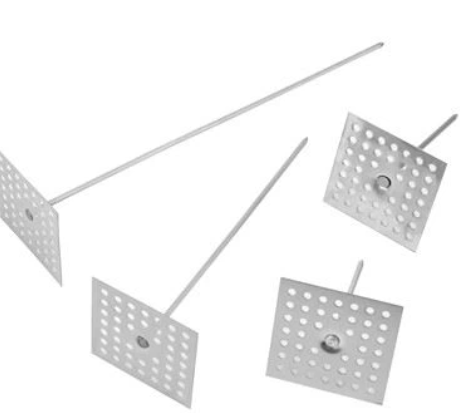
Perforate Base Insulation Hangers overview
I. IntroductionPerforate base insulation hangers are an essential component in the install
Contact
Product Detail
I. Introduction
Perforate base insulation hangers are an essential component in the installation of insulation materials. These hangers provide a secure and reliable way to suspend insulation, ensuring proper thermal performance and energy efficiency. In this comprehensive introduction, we will explore the various aspects of perforate base insulation hangers, including their design, materials, applications, and benefits.
II. Design and Construction
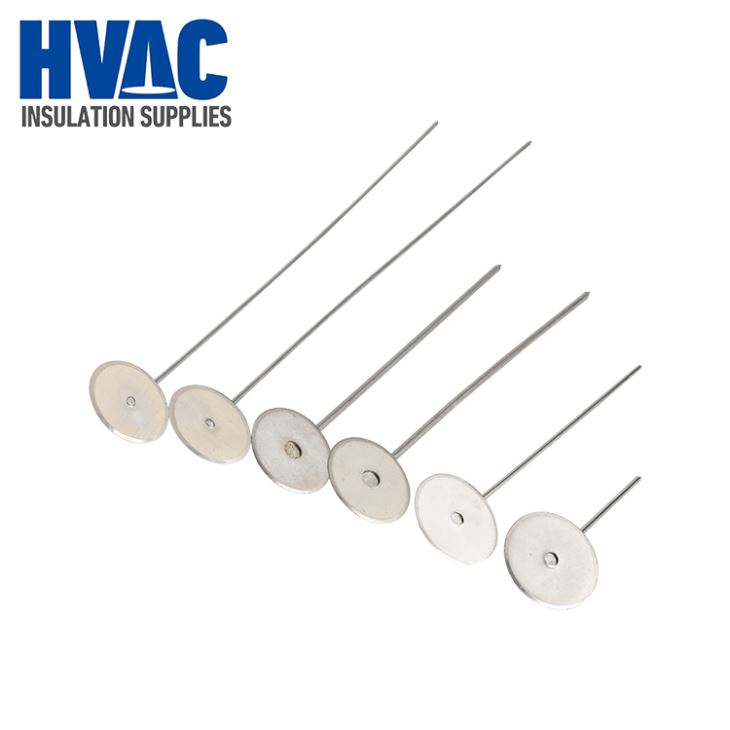
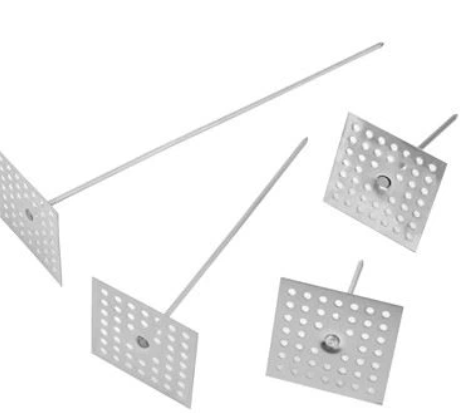
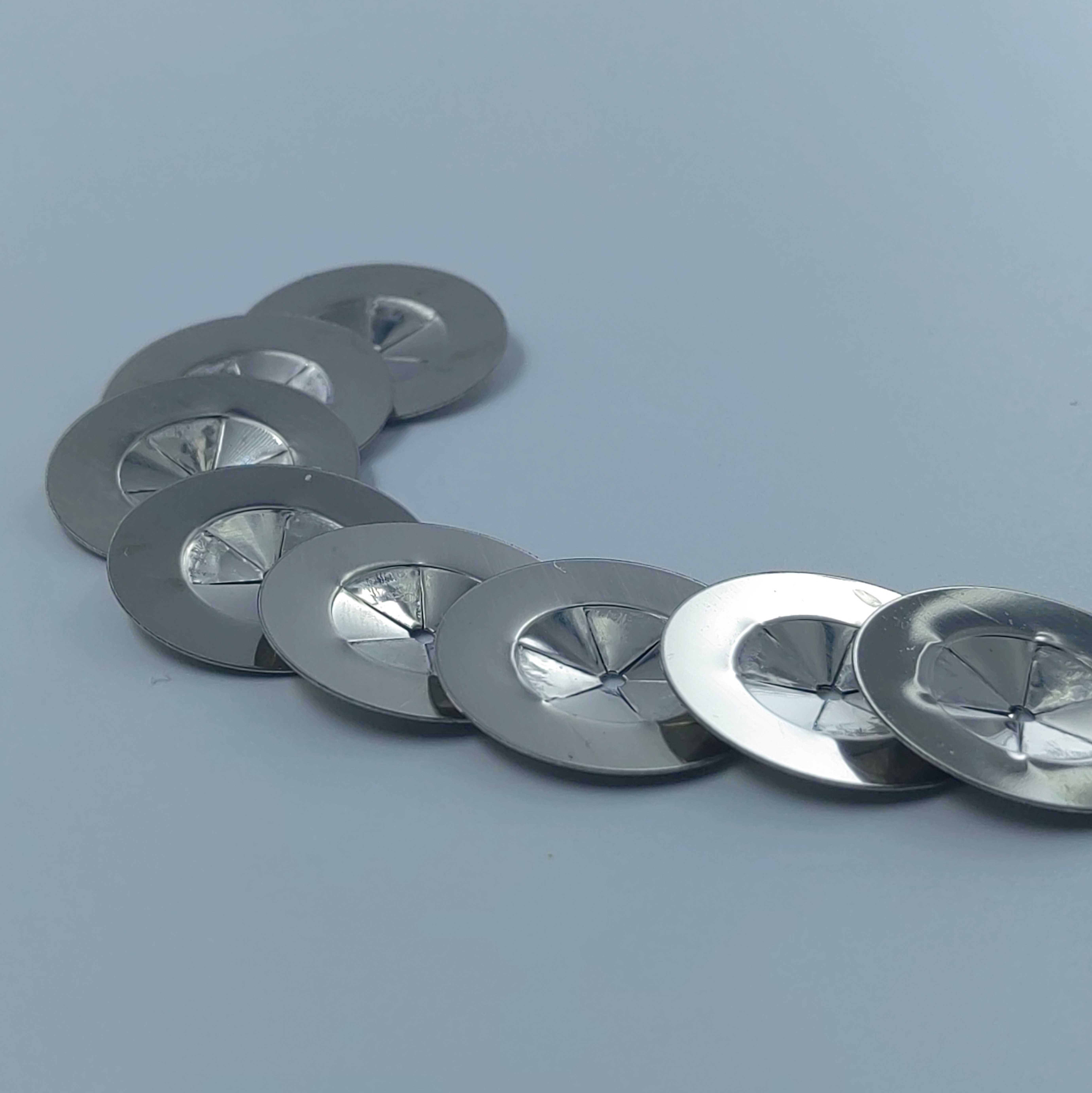
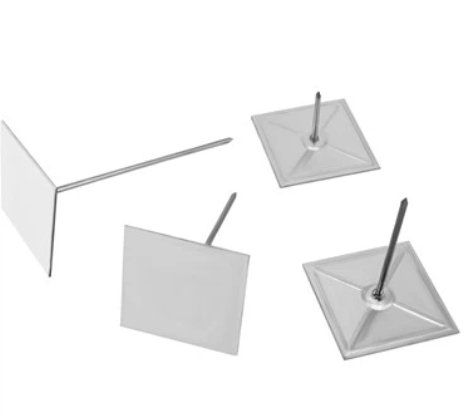
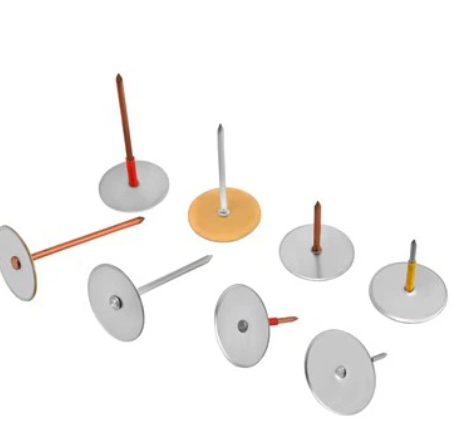
Perforate base insulation hangers are typically made of metal, such as steel or stainless steel. The design consists of a base plate with perforations and a hanger rod or hook. The perforations in the base plate allow for the passage of screws or nails, which are used to attach the hanger to a structural surface. The hanger rod or hook is then used to suspend the insulation material.
The base plate of the hanger is often designed with a specific shape and size to accommodate different insulation thicknesses and installation requirements. Some base plates may be rectangular, while others may be circular or oval. The perforations in the base plate are usually evenly spaced and sized to ensure proper attachment and stability.
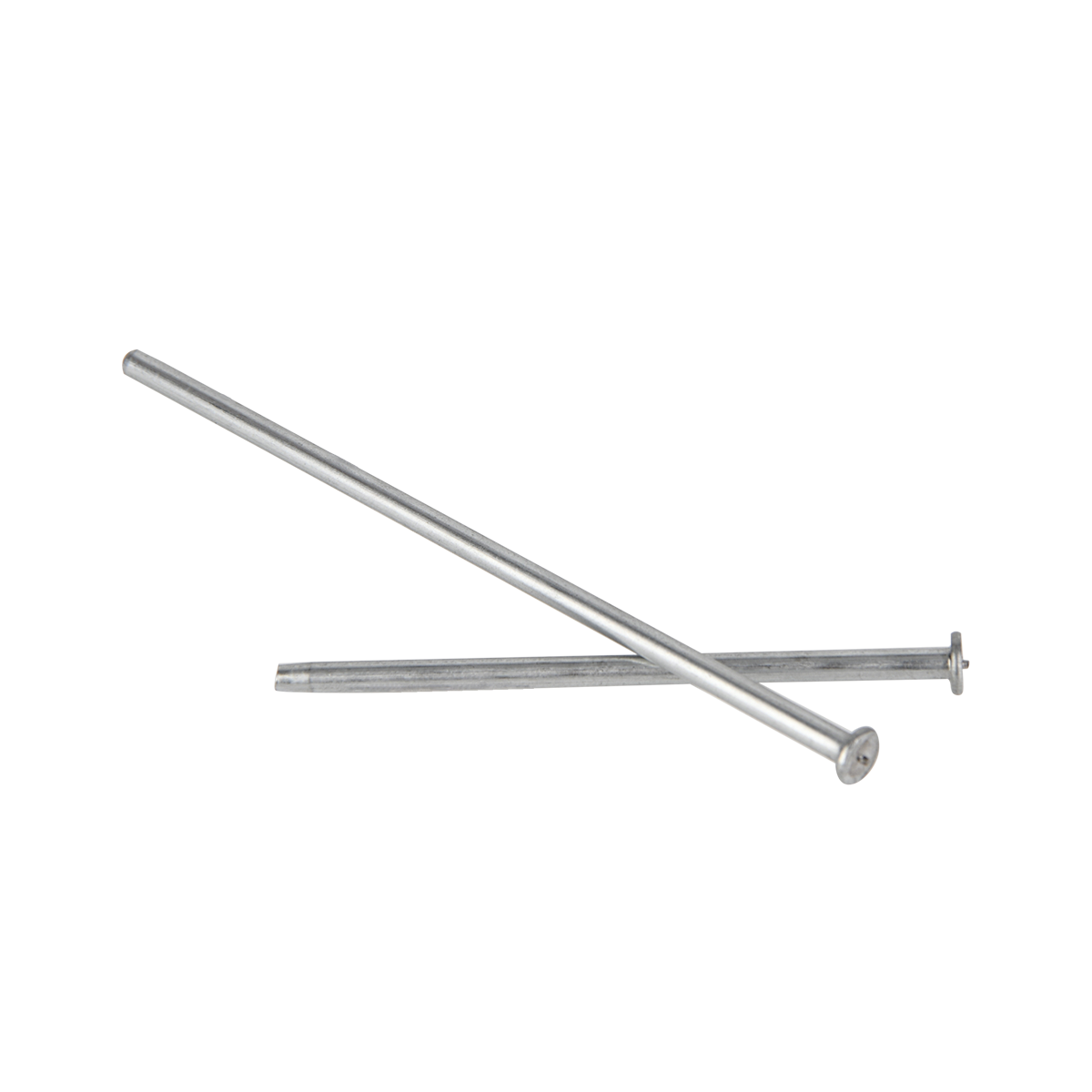
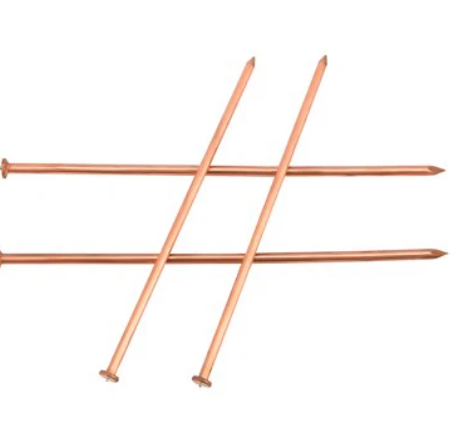
The hanger rod or hook is typically made of a strong and durable material to support the weight of the insulation. It may be straight or curved, depending on the application. Some hangers may also feature additional components, such as locking mechanisms or adjustable lengths, to provide greater flexibility and ease of installation.
III. Materials
The materials used in the construction of perforate base insulation hangers play a crucial role in their performance and durability. As mentioned earlier, metal is the most common material used, with steel and stainless steel being the most popular choices.
Steel hangers are known for their strength and affordability. They are suitable for a wide range of applications and can support heavy insulation loads. However, steel hangers may be prone to corrosion over time, especially in harsh environments. To prevent corrosion, steel hangers can be coated with a protective finish, such as galvanizing or powder coating.
Stainless steel hangers, on the other hand, offer excellent corrosion resistance and durability. They are ideal for applications where exposure to moisture, chemicals, or extreme temperatures is expected. Stainless steel hangers are more expensive than steel hangers, but their long lifespan and low maintenance requirements make them a cost-effective choice in the long run.
In addition to metal, some perforate base insulation hangers may be made of plastic or composite materials. Plastic hangers are lightweight and corrosion-resistant, making them suitable for certain applications where weight and corrosion are concerns. Composite hangers, which are made of a combination of materials such as fiberglass and resin, offer high strength and durability while being lightweight and corrosion-resistant.
IV. Applications
Perforate base insulation hangers are used in a wide range of applications, including commercial, industrial, and residential buildings. Some of the common applications include:
HVAC Systems
In heating, ventilation, and air conditioning (HVAC) systems, insulation hangers are used to suspend duct insulation. This helps to reduce heat loss or gain in the ducts, improving the energy efficiency of the HVAC system. Perforate base insulation hangers are ideal for this application as they provide a secure and reliable way to attach the insulation to the ductwork.
Plumbing Systems
Insulation hangers are also used to support pipe insulation in plumbing systems. This helps to prevent heat loss or condensation on pipes, reducing energy consumption and preventing damage to the pipes. Perforate base insulation hangers can be easily attached to walls, ceilings, or other structural surfaces to hold the pipe insulation in place.
Industrial Equipment
In industrial settings, insulation hangers are used to insulate various types of equipment, such as tanks, boilers, and pipelines. Perforate base insulation hangers can be customized to fit the specific requirements of different industrial applications, providing a secure and durable way to suspend the insulation.
Residential Construction
In residential buildings, insulation hangers are used to install attic insulation, wall insulation, and floor insulation. Perforate base insulation hangers can be used to attach insulation batts or rolls to the framing members of the building, ensuring proper insulation coverage and thermal performance.
V. Benefits
The use of perforate base insulation hangers offers several benefits, including:
Improved Energy Efficiency
By properly suspending insulation materials, perforate base insulation hangers help to reduce heat transfer and improve the energy efficiency of buildings and industrial systems. This can result in significant savings on energy bills and a reduced environmental impact.
Enhanced Durability
Insulation hangers provide a secure and stable support for insulation materials, preventing sagging, shifting, or damage. This helps to extend the lifespan of the insulation and ensure its long-term performance.
Easy Installation
Perforate base insulation hangers are designed for easy installation, with simple attachment methods using screws or nails. This makes them accessible to both professional installers and DIY enthusiasts, saving time and labor costs.
Versatility
These hangers can be used with a variety of insulation materials, including fiberglass, mineral wool, foam, and reflective insulation. They can also be customized to fit different insulation thicknesses and installation requirements, providing flexibility in design and application.
Cost-Effective
While the initial cost of perforate base insulation hangers may be higher than some other installation methods, their durability and energy-saving benefits make them a cost-effective choice in the long run. Additionally, proper installation of insulation hangers can help to avoid costly callbacks and repairs due to insulation failure.
VI. Installation Considerations
When installing perforate base insulation hangers, several factors should be considered to ensure proper performance and safety. Some of these considerations include:
Load Capacity
The load capacity of the insulation hangers should be carefully evaluated to ensure that they can support the weight of the insulation material. This is particularly important in applications where heavy insulation loads are expected, such as industrial settings or high-rise buildings.
Attachment Surface
The attachment surface for the insulation hangers should be strong and stable. This may require the use of appropriate fasteners and anchors to ensure a secure connection. In some cases, additional structural support may be needed to ensure the integrity of the installation.
Spacing and Alignment
The spacing and alignment of the insulation hangers should be carefully planned to ensure proper support and coverage of the insulation. This may involve following manufacturer's guidelines or industry standards to ensure optimal performance.
Environmental Conditions
The environmental conditions in which the insulation hangers will be installed should be taken into account. Factors such as moisture, temperature, and chemical exposure can affect the performance and durability of the hangers. Appropriate materials and finishes should be selected to ensure resistance to these conditions.
Code Compliance
Installation of insulation hangers should comply with relevant building codes and standards. This may include requirements for fire resistance, load capacity, and installation methods. Consulting with local building authorities or a professional engineer can help ensure compliance and a safe installation.
VII. Maintenance and Inspection
To ensure the long-term performance and safety of perforate base insulation hangers, regular maintenance and inspection are recommended. Some of the maintenance and inspection tasks include:
Visual Inspection
Periodically inspect the insulation hangers for signs of damage, corrosion, or loosening. Look for cracks, bent rods, or missing fasteners. Any damaged or defective hangers should be replaced immediately.
Load Testing
In some cases, load testing may be required to ensure that the insulation hangers are still capable of supporting the weight of the insulation. This can be done using specialized testing equipment or by consulting with a professional engineer.
Cleaning
Remove any dirt, debris, or moisture from the insulation hangers to prevent corrosion and maintain their performance. Use a mild detergent and water solution to clean the hangers, and dry them thoroughly before reinstalling the insulation.
Replacement
If the insulation hangers are severely damaged or have reached the end of their useful life, they should be replaced. Follow the manufacturer's instructions for proper replacement procedures to ensure a safe and effective installation.
Perforate base insulation hangers are an important tool for the installation of insulation materials. Their design, materials, and applications make them a reliable and cost-effective choice for improving energy efficiency, enhancing durability, and ensuring proper thermal performance. By understanding the features and benefits of these hangers, as well as the installation and maintenance considerations, users can make informed decisions and achieve successful insulation installations.