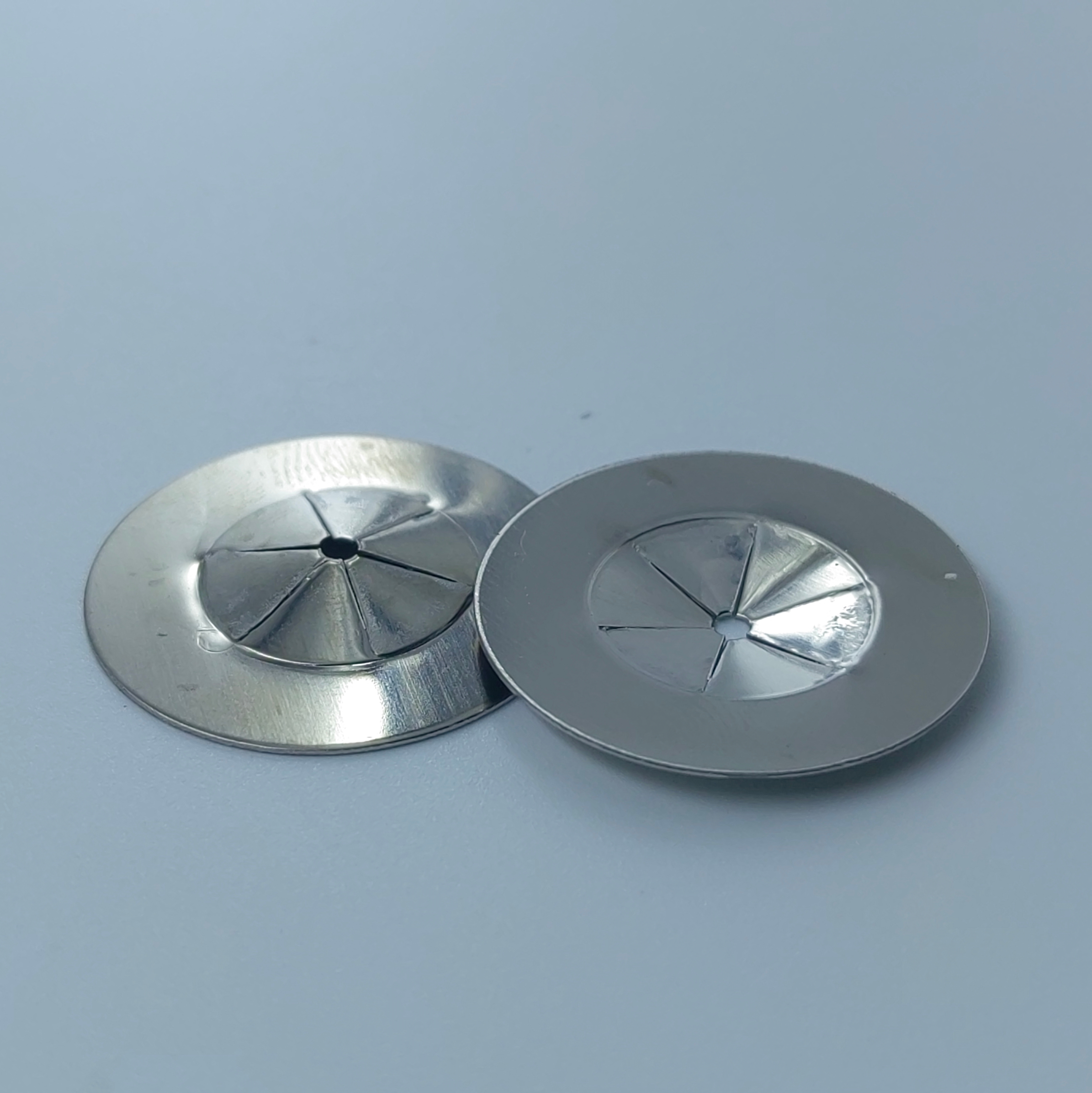
Insulation Self Locking Washers Comprehensive Introduction
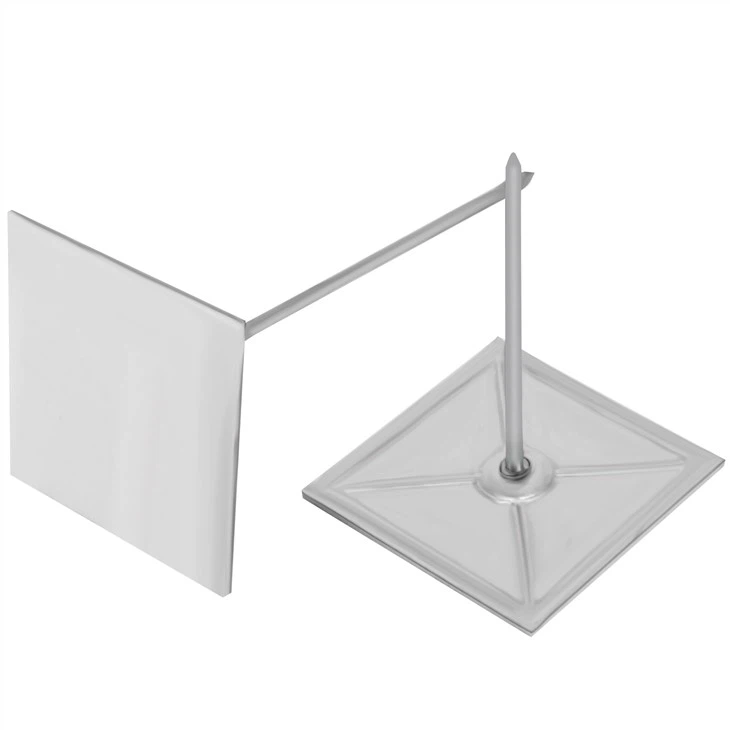
Insulation self - locking washers are specialized fastening components that play a crucial role in various industries, ensuring the secure and reliable connection of electrical and mechanical assemblies while providing electrical insulation. These washers combine the functions of locking fasteners in place and preventing electrical current leakage, making them essential in applications where safety, stability, and electrical integrity are of utmost importance.
Contact
Product Detail
Insulation self - locking washers are specialized fastening components that play a crucial role in various industries, ensuring the secure and reliable connection of electrical and mechanical assemblies while providing electrical insulation. These washers combine the functions of locking fasteners in place and preventing electrical current leakage, making them essential in applications where safety, stability, and electrical integrity are of utmost importance.
Definition and Basic Concept
Insulation self - locking washers are designed to address two primary requirements: preventing fasteners from loosening due to vibrations, shocks, or dynamic loads, and providing electrical insulation between different parts of an assembly. They are typically made from materials that offer both mechanical strength and electrical insulating properties. The self - locking mechanism is engineered to resist the forces that tend to cause fasteners to unwind, such as the vibrations commonly encountered in machinery, automotive systems, and electrical equipment.
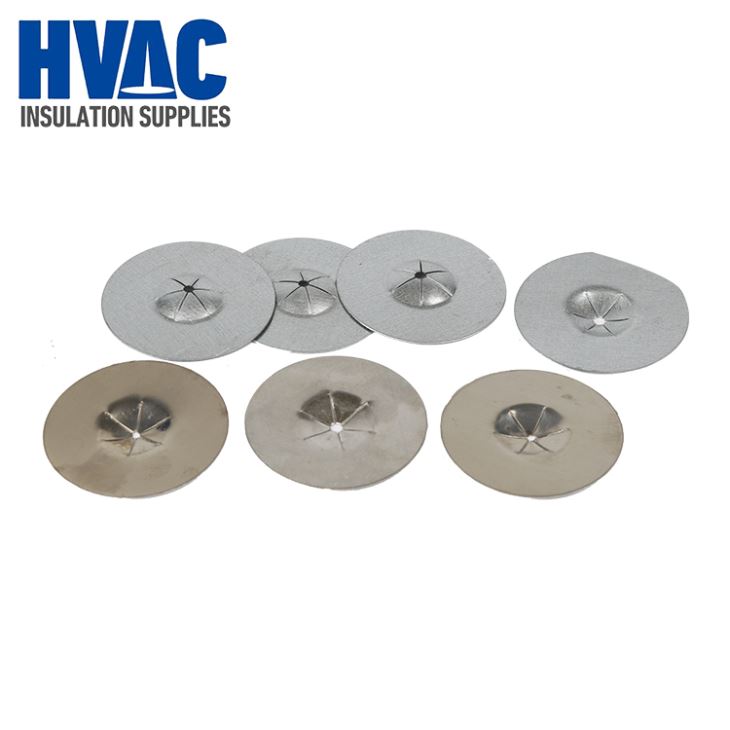
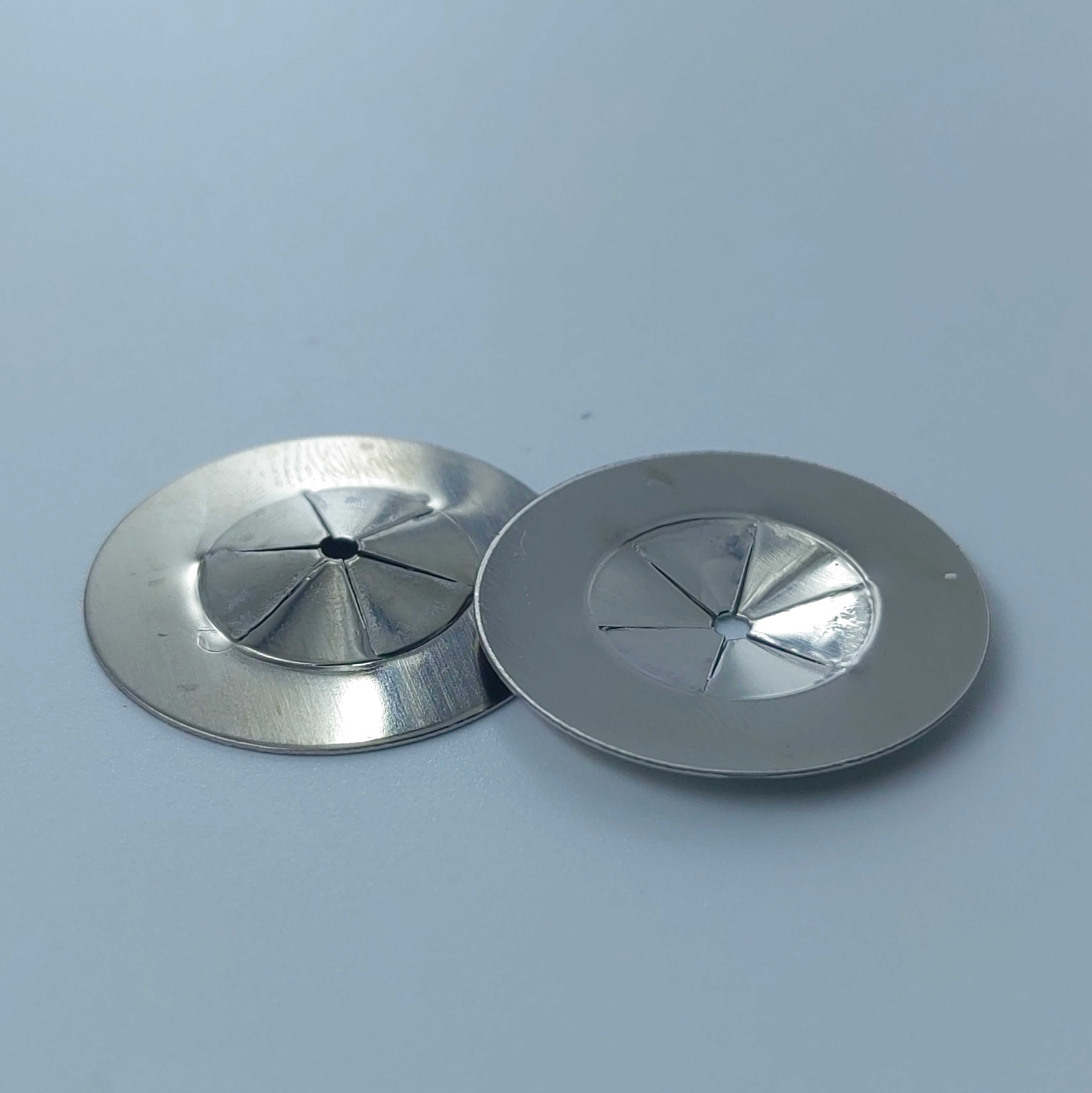
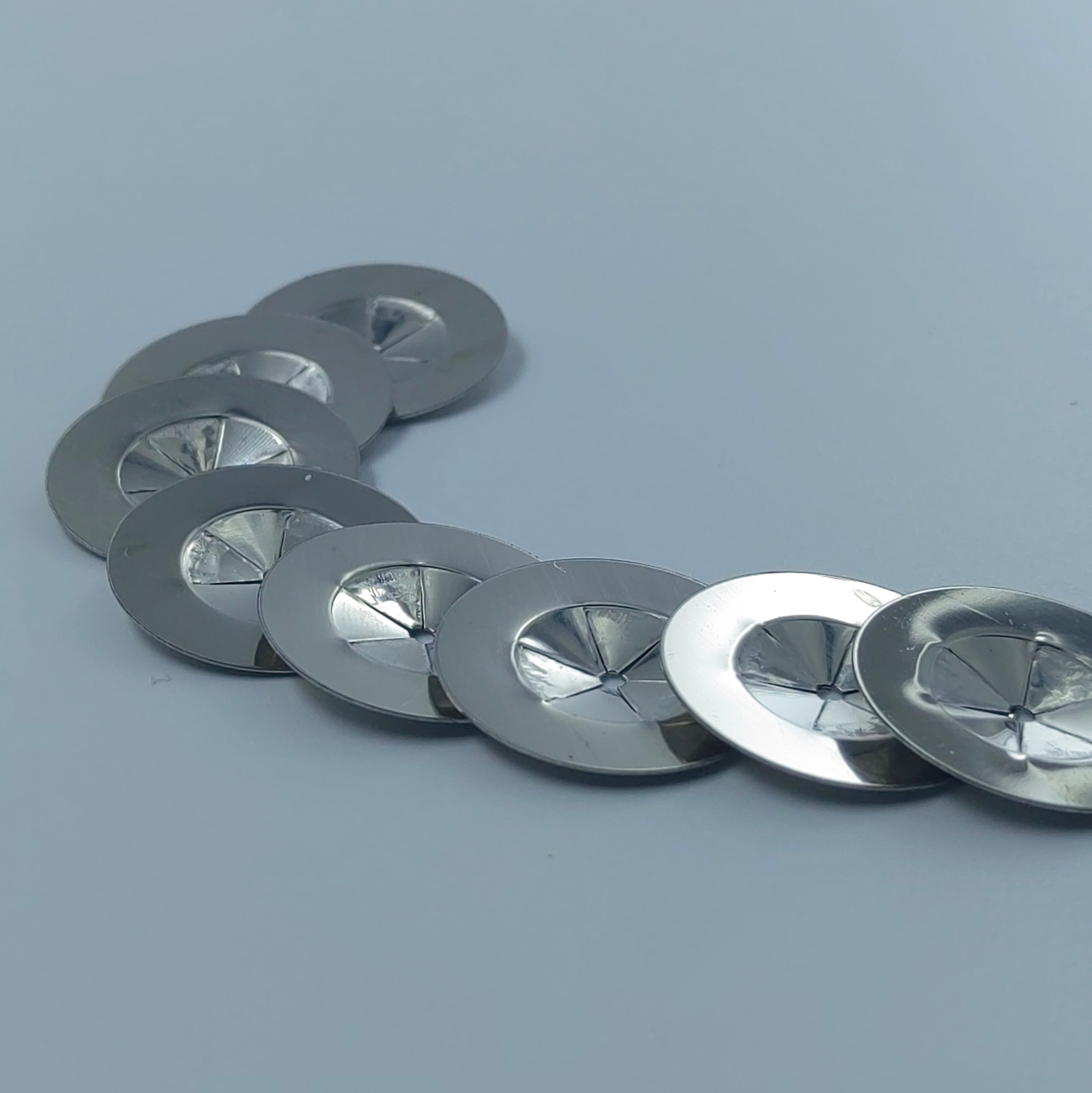
The basic structure of an insulation self - locking washer consists of a washer - like body with specific features added to enhance its locking and insulating capabilities. The body is usually circular in shape, with a central hole through which the bolt, screw, or stud passes. The outer diameter of the washer can vary depending on the application requirements, and it may have additional features such as teeth, serrations, or spring - like elements on its surface to provide the locking action.
Working Principle
Self - Locking Mechanism
The self - locking feature of these washers is based on several mechanical principles. One common design incorporates teeth or serrations on the surface of the washer. When the fastener is tightened, these teeth dig into the mating surfaces of the nut and the workpiece. The irregularities created by the teeth prevent the nut from rotating freely, generating a frictional force that resists loosening. This frictional force increases as the fastener is tightened further, creating a self - amplifying locking effect.
Another type of self - locking mechanism uses spring - loaded elements within the washer. These springs exert a constant pressure on the nut and the workpiece, maintaining a tight grip even under dynamic conditions. The spring action compensates for any small movements or changes in the fastener assembly, ensuring that the locking force remains consistent over time.
Electrical Insulation Principle
For electrical insulation, insulation self - locking washers are made from materials with high electrical resistivity. Common materials include various types of plastics, such as nylon, polypropylene, or specialized engineering plastics. These materials act as barriers to the flow of electrical current. When placed between two conductive parts of an assembly, the washer prevents electrical contact, thereby reducing the risk of short - circuits and electrical malfunctions.
In applications where electrical grounding is also a concern, some insulation self - locking washers are designed to provide a non - conductive path while still allowing for proper mechanical fastening. This ensures that any electrical charges are safely diverted away from sensitive components, maintaining the integrity of the electrical system.
Key Features and Benefits
Enhanced Fastener Security
The self - locking feature of these washers significantly improves the security of fastener connections. In industries where equipment is subject to continuous vibrations, such as in the automotive, aerospace, and industrial machinery sectors, traditional washers may not be sufficient to prevent fasteners from loosening. Insulation self - locking washers, with their ability to generate high frictional forces or utilize spring - based locking mechanisms, ensure that fasteners remain tightly in place, reducing the risk of component failure due to loosened connections.
Electrical Insulation
The electrical insulating properties of these washers are invaluable in electrical and electronic applications. In electrical panels, control systems, and wiring harnesses, they are used to isolate different electrical components, preventing unwanted electrical current flow between them. This helps to protect sensitive electronic devices from electrical interference and short - circuits, enhancing the overall reliability and safety of the electrical system.
Durability
Insulation self - locking washers are typically made from durable materials that can withstand harsh environmental conditions. The plastics used for electrical insulation are often resistant to chemicals, moisture, and temperature variations. In addition, the mechanical components of the self - locking mechanism, such as teeth or springs, are designed to maintain their integrity over long periods, even under repeated loading and unloading cycles. This durability ensures that the washers can provide reliable performance throughout the lifespan of the equipment in which they are installed.
Versatility
These washers are available in a wide range of sizes, shapes, and materials, making them highly versatile. They can be customized to fit specific application requirements, whether it's a small - scale electronic device or a large - scale industrial machinery. The variety of materials allows for selection based on factors such as the operating temperature, chemical exposure, and electrical requirements of the application.
Cost - Effectiveness
In the long run, insulation self - locking washers prove to be cost - effective. Their ability to prevent fastener loosening and electrical malfunctions reduces the need for frequent maintenance and repair. By ensuring the reliable operation of equipment, they help to minimize downtime, which can be costly in industrial and commercial settings. Additionally, the durability of these washers means that they do not need to be replaced as frequently as some other types of washers, further reducing overall costs.
Applications
Automotive Industry
In the automotive industry, insulation self - locking washers are used in a multitude of applications. In the engine compartment, they are used to secure electrical components, such as sensors, relays, and ignition systems. The self - locking feature ensures that these components remain in place despite the high vibrations and temperature variations experienced in the engine environment. The electrical insulation properties prevent electrical interference, which could affect the proper functioning of the engine control unit and other sensitive electronic components.
They are also used in the vehicle's body and chassis assemblies. For example, in the installation of electrical wiring harnesses, insulation self - locking washers are used to fasten the wires to the body structure while providing electrical insulation. This helps to prevent short - circuits that could be caused by the wiring coming into contact with the metal body of the vehicle.
Aerospace Industry
In aerospace applications, where safety and reliability are of the highest priority, insulation self - locking washers are extensively used. In aircraft, they are used to secure electrical and mechanical components in the avionics systems, engine nacelles, and fuselage. The self - locking feature is crucial in preventing fasteners from loosening during flight, where vibrations and dynamic loads are significant. The electrical insulation properties are essential for maintaining the integrity of the aircraft's complex electrical systems, ensuring that there are no electrical malfunctions that could compromise flight safety.
Electrical and Electronic Equipment
In the manufacturing of electrical and electronic equipment, such as computers, servers, and telecommunications devices, insulation self - locking washers are used to fasten and insulate components. They are used in printed circuit boards (PCBs) to secure components such as capacitors, resistors, and integrated circuits. The electrical insulation provided by the washers helps to prevent electrical cross - talk and short - circuits between components on the PCB, ensuring the proper functioning of the electronic device.
In electrical distribution panels and switchgear, these washers are used to fasten and insulate electrical conductors and components. They help to maintain the electrical isolation between different parts of the panel, reducing the risk of electrical accidents and ensuring the safe operation of the electrical system.
Industrial Machinery
In industrial machinery, insulation self - locking washers are used to secure and insulate components in a wide range of equipment, including motors, pumps, and conveyor systems. In motors, they are used to fasten the end bells and other components while providing electrical insulation to prevent electrical leakage. In pumps, they are used to secure the impeller and other rotating parts, ensuring that the fasteners remain in place under the high - pressure and high - vibration conditions of pump operation.
In conveyor systems, these washers are used to fasten the brackets and other components that support the conveyor belt. The self - locking feature prevents the fasteners from loosening due to the continuous movement of the conveyor belt, while the electrical insulation properties protect against any electrical hazards that could arise from the operation of the conveyor system.
Installation and Maintenance
Installation of insulation self - locking washers is relatively straightforward, but it requires proper attention to detail. When installing, it is important to ensure that the washer is placed correctly between the nut and the workpiece. The self - locking features, such as teeth or serrations, should be oriented in a way that they can effectively engage with the mating surfaces. The fastener should be tightened to the recommended torque specifications to ensure optimal locking and electrical insulation performance.
Maintenance of insulation self - locking washers mainly involves periodic inspections. Check for any signs of wear, damage, or loosening. If the self - locking features, such as teeth or springs, are damaged, the washer may no longer provide effective locking. In such cases, the washer should be replaced. Also, check for any signs of electrical degradation, such as cracks or discoloration in the insulating material. If the electrical insulation properties are compromised, it can pose a safety risk and the washer should be replaced immediately.
insulation self - locking washers are essential components in a wide range of industries. Their unique combination of self - locking and electrical insulation capabilities makes them indispensable for ensuring the secure and reliable operation of electrical and mechanical assemblies. As technology continues to advance and industries demand higher levels of safety, reliability, and performance, insulation self - locking washers are likely to play an even more significant role in the future. Their versatility and ability to meet diverse application requirements make them a key element in modern manufacturing and engineering.