CD Weld Insulation Pins in Industrial Applications
In industrial plants, ducts are an integral part of various systems. They are used to transport air, steam, chemicals, and other fluids. Duct insulation is crucial for several reasons. Firstly, it helps in energy conservation. For example, in a manufacturing plant with a large scale heating, ventilation, and air conditioning (HVAC) system, uninsulated ducts can lead to significant heat loss or gain.
Contact
Product Detail
1. Duct Insulation in Industrial Plants
1.1 Importance of Duct Insulation
In industrial plants, ducts are an integral part of various systems. They are used to transport air, steam, chemicals, and other fluids. Duct insulation is crucial for several reasons. Firstly, it helps in energy conservation. For example, in a manufacturing plant with a large scale heating, ventilation, and air conditioning (HVAC) system, uninsulated ducts can lead to significant heat loss or gain. If the ducts are transporting hot air for heating purposes, heat can escape through the uninsulated walls of the ducts, requiring the HVAC system to work harder to maintain the desired temperature. This not only increases energy consumption but also raises operational costs.
Secondly, duct insulation plays a vital role in maintaining the quality of the transported fluids. In the case of ducts carrying chemicals, insulation can prevent temperature fluctuations that could potentially affect the chemical properties of the substances. For instance, in a chemical processing plant, certain chemicals may be sensitive to temperature changes, and improper insulation of the ducts could lead to chemical reactions or degradation of the product.
1.2 Role of CD Weld Insulation Pins
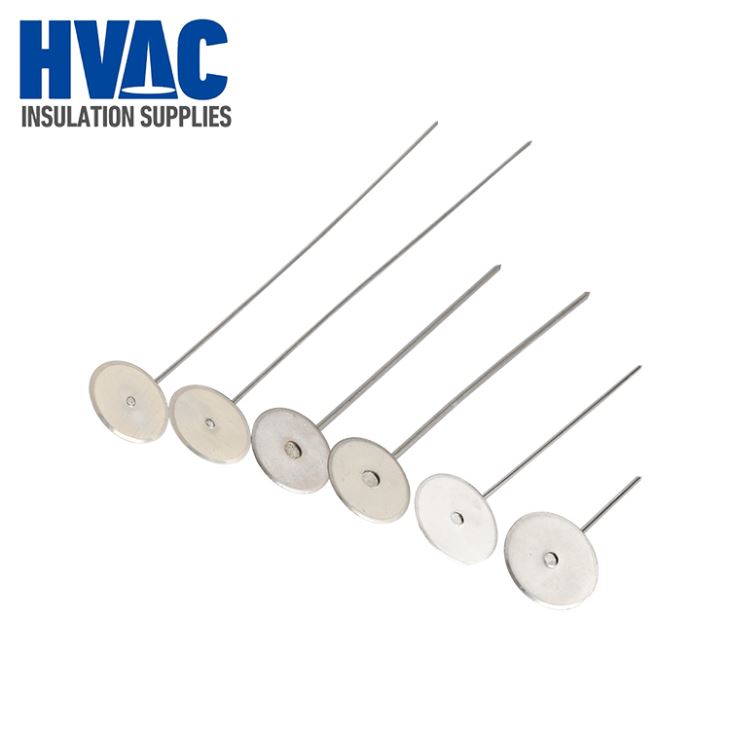
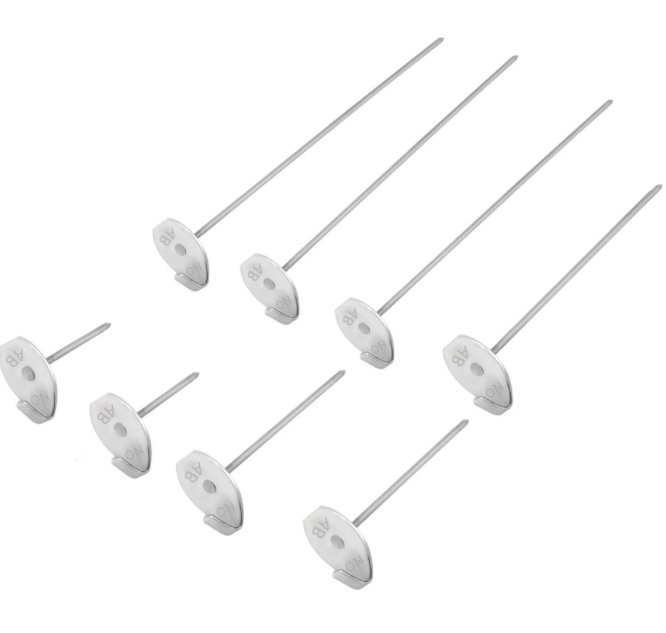
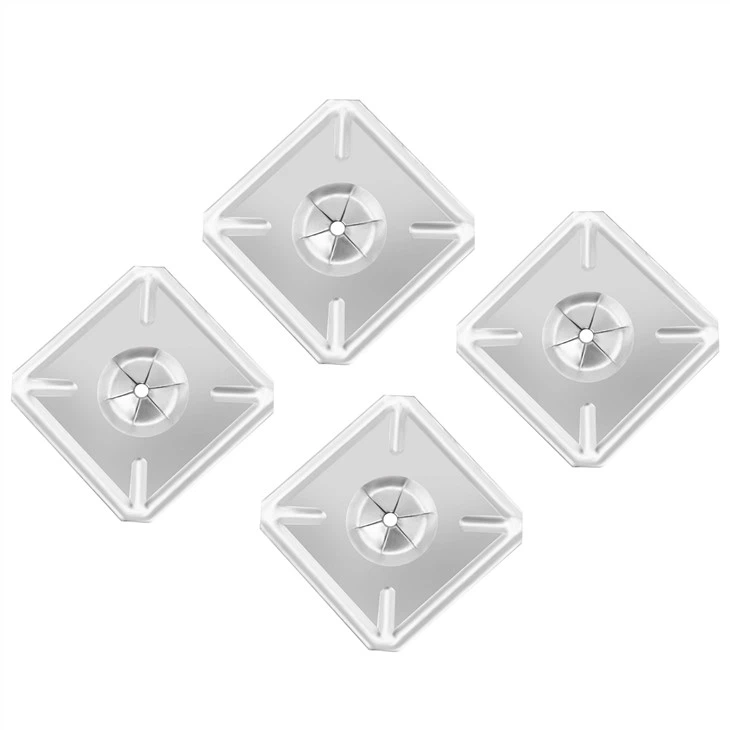
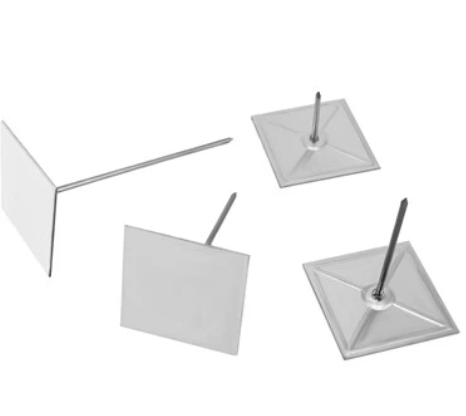
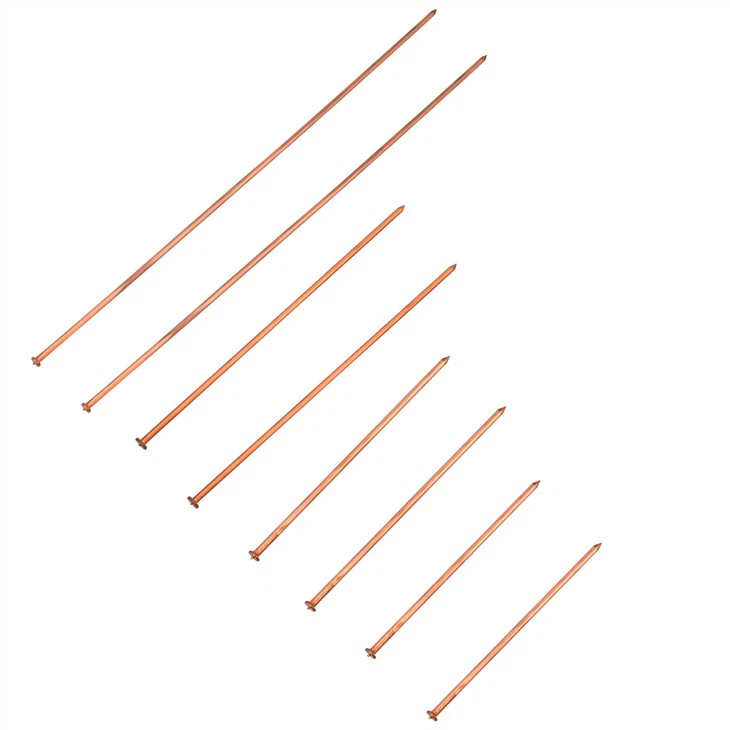
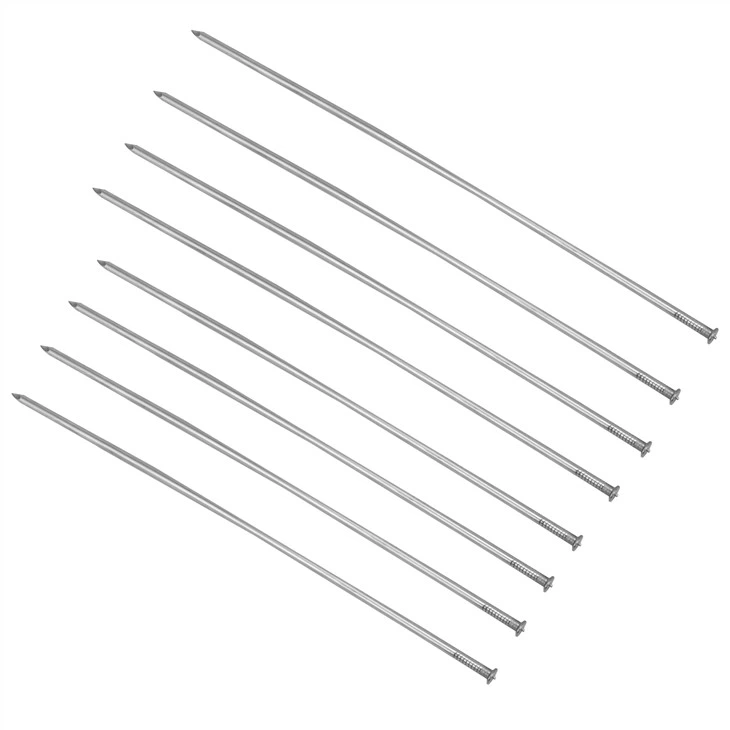
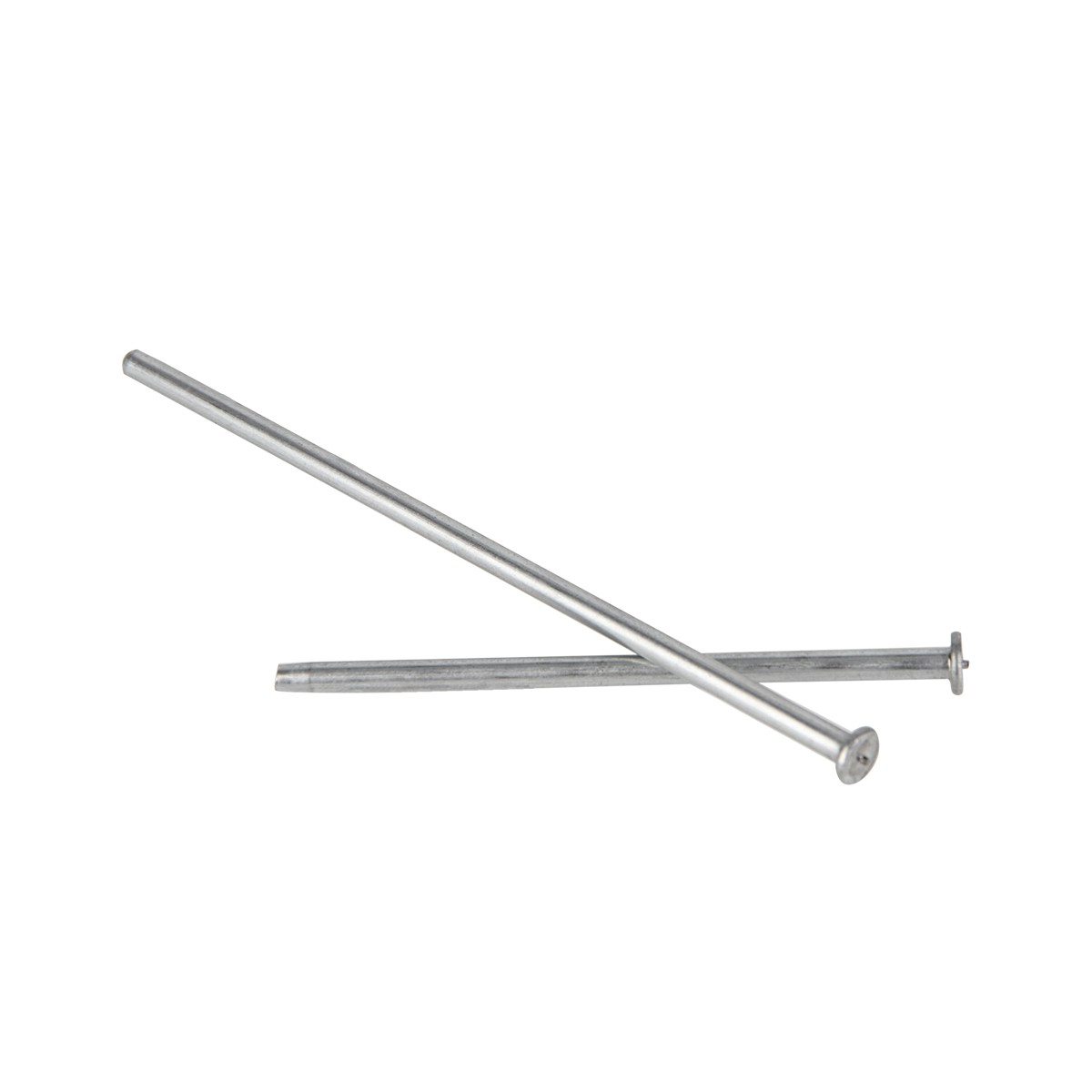
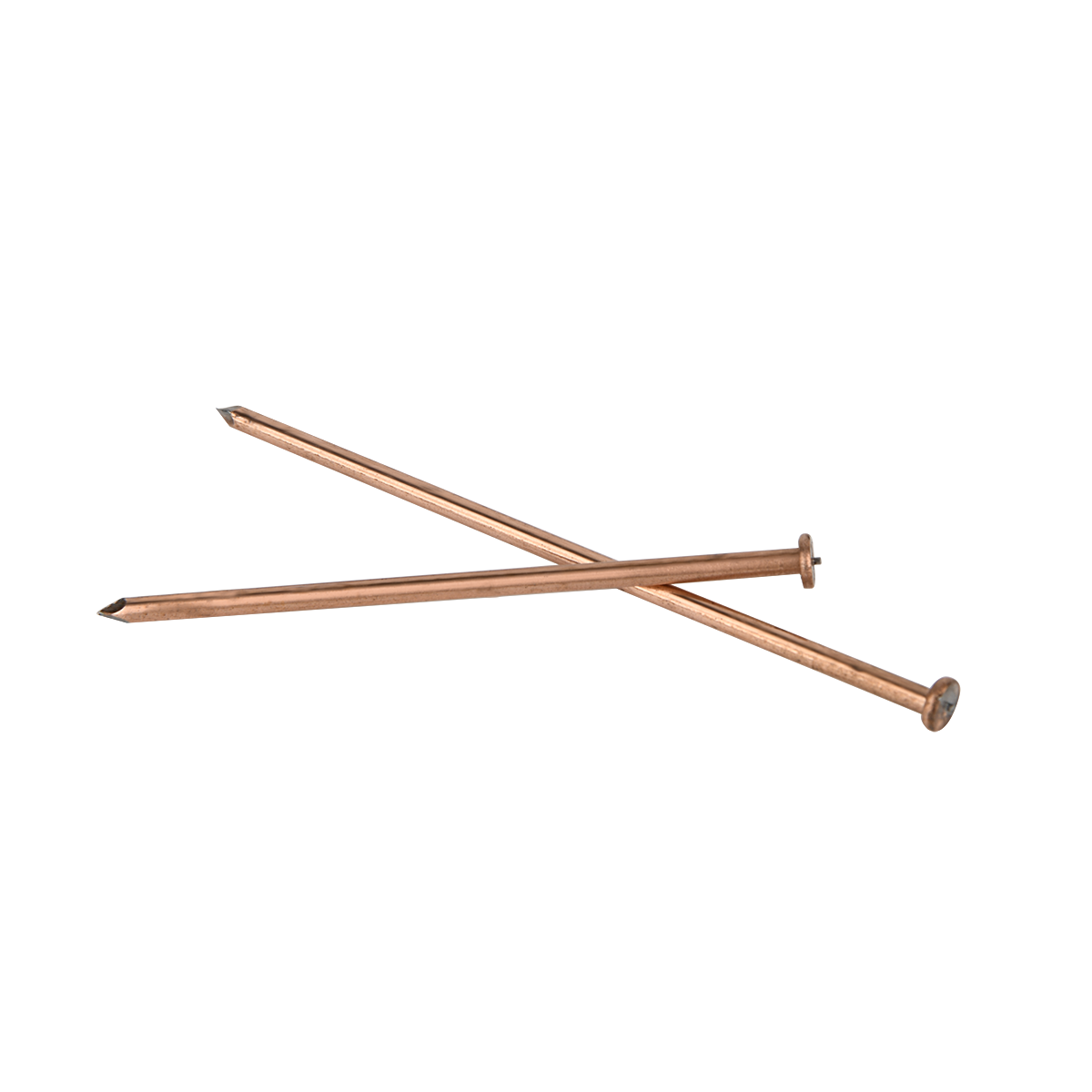
CD Weld Insulation Pins are the go to solution for attaching insulation materials to ducts. These pins are welded at regular intervals along the length of the duct. The distance between the pins is determined by factors such as the type and thickness of the insulation material, the diameter of the duct, and the expected mechanical stress on the insulation system.
Once the pins are welded, insulation materials like fiberglass or mineral wool are impaled over them. Fiberglass insulation, known for its excellent thermal resistance and sound dampening properties, is widely used. Mineral wool, on the other hand, offers high temperature resistance and good fire retardant characteristics. After the insulation is in place, self locking washers are installed on top of the pins. These washers ensure that the insulation remains firmly attached to the duct, even in the presence of vibrations, air pressure changes, or temperature fluctuations.
The welding process of CD Weld Insulation Pins is efficient. The capacitor discharge welding method allows for quick and secure attachment of the pins to the duct surface. This is especially important in large scale industrial projects where time is of the essence. The pins can be welded to different types of duct materials, including steel, aluminum, and some types of plastics, making them highly versatile.
2. Oven and Boiler Insulation
2.1 Significance of Insulating Ovens and Boilers
Ovens and boilers are workhorses in many industrial sectors. In food processing industries, ovens are used for baking, roasting, and drying processes. In power generation plants, boilers are responsible for producing steam that drives turbines to generate electricity. These appliances operate at high temperatures, and proper insulation is essential.
For ovens in food processing, insulation helps in maintaining a consistent temperature inside the oven cavity. This is crucial for ensuring the quality and uniformity of the food products. If the oven is not well insulated, heat can escape, leading to uneven heating and potentially affecting the taste, texture, and appearance of the food. In power generation boilers, insulation is necessary to prevent heat loss. Heat loss from the boiler not only reduces the efficiency of the power generation process but also poses safety risks as workers may be exposed to hot surfaces.
2.2 Application of CD Weld Insulation Pins
CD Weld Insulation Pins are widely used to attach high temperature resistant insulation materials to the outer walls of ovens and boilers. Ceramic fiber insulation is a popular choice for these applications due to its ability to withstand extremely high temperatures. The pins are welded to the metal surface of the oven or boiler, and the ceramic fiber insulation is then carefully installed over the pins.
The high temperature resistance of the CD Weld Insulation Pins themselves is a key advantage. Pins made of stainless steel or high temperature alloys can withstand the intense heat generated by ovens and boilers without deforming or losing their structural integrity. The secure attachment provided by the pins ensures that the insulation remains in place, even during the frequent heating and cooling cycles that these appliances undergo.
In addition to withstanding high temperatures, the pins also need to resist the mechanical stress associated with the expansion and contraction of the oven or boiler walls as they heat up and cool down. The CD welding process creates a strong bond between the pin and the base material, which can endure these mechanical forces over an extended period. This helps in maintaining the long term effectiveness of the insulation system, reducing the need for frequent maintenance and replacement.
3. Insulation of Hot and Cold Equipment
3.1 Challenges in Insulating Hot and Cold Equipment
Industrial facilities house a diverse range of hot and cold equipment. Hot equipment, such as heat exchangers used in refineries to transfer heat between different fluids, and steam pipelines, need to be insulated to prevent heat loss. Cold equipment, like refrigeration tanks in food and beverage industries or cryogenic pipelines in the pharmaceutical and aerospace sectors, requires insulation to prevent heat gain from the surrounding environment.
Insulating hot equipment is challenging because of the high temperatures involved. The insulation materials need to be able to withstand these temperatures without degrading. Additionally, the insulation system must be able to handle the thermal expansion and contraction of the equipment as it heats up and cools down. Insulating cold equipment also has its own set of challenges. The insulation materials need to have low thermal conductivity to minimize heat transfer. They also need to be resistant to moisture, as any moisture ingress can significantly reduce the effectiveness of the insulation.
3.2 Contribution of CD Weld Insulation Pins
CD Weld Insulation Pins play a crucial role in addressing these challenges. For hot equipment, the pins are used to attach insulation materials that are specifically designed for high temperature applications. These materials, such as refractory insulation, are often thick and heavy, and the CD Weld Insulation Pins provide the necessary support and secure attachment. The pins are welded to the surface of the hot equipment, and the insulation is then installed over them. The high strength bond created by the CD welding process ensures that the insulation remains in place, even under the harsh conditions of high temperature operation.
For cold equipment, CD Weld Insulation Pins are used to attach insulation materials with low thermal conductivity, such as polyurethane foam or expanded polystyrene. These materials are lightweight, but they still need to be securely fastened to the equipment surface. The pins are welded to the cold equipment, and the insulation is installed in a similar manner as for hot equipment. The self locking washers used in combination with the pins prevent the insulation from shifting or coming loose, which could otherwise lead to heat transfer and a loss of the cold temperature.
Moreover, in applications where the hot or cold equipment is exposed to vibrations, such as in industrial machinery or mobile equipment, the CD Weld Insulation Pins offer a stable and reliable attachment for the insulation. The pins can withstand the mechanical forces generated by the vibrations, ensuring that the insulation system continues to function effectively over time.
4. Insulation in Chemical and Petrochemical Plants
4.1 Special Requirements in Chemical and Petrochemical Environments
Chemical and petrochemical plants have unique requirements when it comes to insulation. The equipment in these plants often deals with corrosive chemicals, high pressures, and extreme temperatures. The insulation materials need to be resistant to chemical corrosion, as exposure to corrosive substances can quickly degrade the insulation and compromise its effectiveness.
In addition, the insulation system must be able to withstand the high pressures present in pipelines and vessels. Any failure in the insulation due to pressure could lead to leaks, which can be extremely dangerous in a chemical or petrochemical environment. The presence of flammable or explosive chemicals also means that the insulation materials need to be non combustible or have a high fire retardant rating.
4.2 Adaptability of CD Weld Insulation Pins
CD Weld Insulation Pins are well adapted to the challenging conditions in chemical and petrochemical plants. For pins used in these environments, materials such as stainless steel or specialized alloys are often chosen. Stainless steel offers excellent corrosion resistance, making it suitable for applications where the pins may come into contact with corrosive chemicals. Specialized alloys can be engineered to provide even higher levels of corrosion resistance, as well as enhanced mechanical properties to withstand high pressures.
The CD welding process ensures a strong and durable bond between the pin and the equipment surface. This bond can withstand the mechanical stress associated with high pressure operation and the chemical attack from the surrounding environment. The insulation materials, which are carefully selected to meet the chemical resistance and fire retardant requirements, are attached to the pins. The self locking washers used in combination with the pins provide an additional layer of security, preventing the insulation from being dislodged due to pressure changes or vibrations.
In chemical and petrochemical plants, there are also strict safety and environmental regulations. The use of CD Weld Insulation Pins in a properly designed insulation system helps plants comply with these regulations. By ensuring effective insulation, the risk of leaks, fires, and environmental pollution is minimized, contributing to a safer and more sustainable operation.
5. Insulation in Power Generation Facilities
5.1 Impact of Insulation on Power Generation Efficiency
In power generation facilities, insulation is a critical factor in determining the efficiency of the power generation process. Whether it's a coal fired power plant, a natural gas fired power plant, or a nuclear power plant, proper insulation of equipment such as boilers, turbines, and pipelines can significantly reduce energy losses.
For example, in a coal fired power plant, the boiler is responsible for producing high pressure steam. If the boiler walls and the steam pipelines are not well insulated, a significant amount of heat will be lost to the surrounding environment. This heat loss means that more coal needs to be burned to generate the same amount of steam, increasing fuel consumption and operational costs. In addition, the efficiency of the turbine, which converts the energy of the steam into electrical energy, can also be affected by the insulation of the steam supply lines. If the steam loses heat before reaching the turbine, its energy content will be reduced, resulting in a lower power output.
5.2 Use of CD Weld Insulation Pins in Power Generation
CD Weld Insulation Pins are extensively used in power generation facilities to attach insulation materials to various components. In boilers, the pins are used to secure high temperature insulation materials, such as ceramic fiber or refractory insulation. These materials help in maintaining the high temperature inside the boiler, reducing heat loss, and improving the combustion efficiency. The pins are welded to the boiler walls, which are typically made of steel, and the insulation is installed over them.
In steam pipelines, CD Weld Insulation Pins are used to attach insulation materials that are designed to withstand the high temperature and high pressure conditions of the steam. The insulation helps in keeping the steam hot as it travels through the pipelines, ensuring that the maximum amount of energy is available for the turbine. The secure attachment provided by the pins is essential, as the pipelines are often subject to vibrations and thermal expansion and contraction.
In addition to boilers and pipelines, CD Weld Insulation Pins are also used in the insulation of turbines. Turbines operate at high speeds and temperatures, and proper insulation is necessary to protect the components and improve their efficiency. The pins are used to attach insulation materials to the turbine casing, helping to reduce heat transfer and maintain the optimal operating conditions of the turbine.
Overall, the use of CD Weld Insulation Pins in power generation facilities is crucial for improving the efficiency of the power generation process, reducing energy losses, and ensuring the reliable operation of the equipment.